Special Weather Statement: What You Need to Know
As of February 10, 2026, a special weather statement has been issued. This isn’t a warning, but it *is* a heads-up that conditions have the potential to become hazardous. Staying informed is crucial for your safety and well-being. This statement covers a broad range of potential weather events, from significant snowfall and freezing rain to extreme cold and strong winds. Understanding what a special weather statement means and how to prepare is key to navigating these conditions safely.
Understanding the Difference: Watch vs. Warning vs. Statement
It’s important to understand the distinctions between different types of weather alerts:
* **Special Weather Statement:** Indicates potentially hazardous conditions are expected or occurring. It’s a heads-up to be aware and prepared.
* **Weather Watch:** Conditions are *favourable* for the development of hazardous weather. Be prepared to take action.
* **Weather Warning:** Hazardous weather is *happening* or is *imminent*. Take immediate action to protect yourself.
What to Expect with This Special Weather Statement
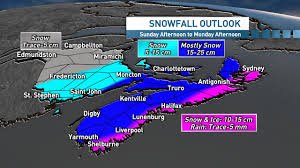
The current special weather statement indicates [**Insert specific weather details here – e.g., a significant snowfall event expected to impact travel, or a period of extremely cold temperatures**]. This could mean:
* **Reduced Visibility:** Snowfall or blowing snow can significantly reduce visibility, making driving dangerous.
* **Icy Roads:** Freezing rain or snow melting and refreezing can create treacherous icy conditions.
* **Extreme Cold:** Prolonged exposure to extreme cold can lead to hypothermia and frostbite.
* **Strong Winds:** High winds can cause power outages and make outdoor activities hazardous.
Safety Tips & Preparedness
- **Stay Informed:** Monitor weather forecasts regularly from reliable sources like [Environment Canada](https://weather.gc.ca/).
- **Travel Safely:** If you must travel, check road conditions before you go. Allow extra time and drive cautiously. Consider postponing non-essential travel.
- **Prepare Your Home:** Ensure you have a well-stocked emergency kit, including food, water, medication, a flashlight, and a battery-powered radio.
- **Protect Yourself from the Cold:** Dress in layers, cover exposed skin, and limit time spent outdoors.
- **Check on Vulnerable Individuals:** Reach out to elderly neighbours, friends, or family members who may need assistance.
Remember, a special weather statement is a proactive measure to help you prepare. By staying informed and taking appropriate precautions, you can stay safe during changing weather conditions. For the most up-to-date information, please refer to [Environment Canada’s website](https://weather.gc.ca/).
Updated: February 10, 2026 at 6:44PM EST. Published: February 10, 2026 at 6:22AM EST. ©2025 BellMedia All Rights Reserved.