Understanding Power Outages: More Than Just Darkness
A power outage, also known as a blackout, can range from a brief inconvenience to a serious emergency. While we often take electricity for granted, its absence can disrupt daily life, impact safety, and even pose health risks. This guide provides a comprehensive overview of power outages, covering causes, safety precautions, preparation strategies, and what to do during and after a blackout. Understanding these aspects is crucial for protecting yourself and your family. The frequency of power outages is increasing due to aging infrastructure, severe weather events, and increased demand on the power grid.
Common Causes of Power Outages
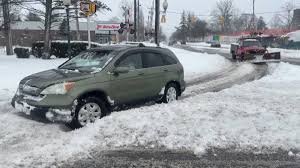
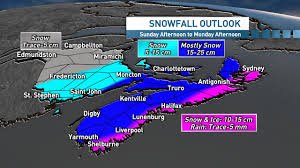
- Severe Weather: Hurricanes, thunderstorms, ice storms, and heavy snowfall are major culprits, often damaging power lines and equipment.
- Equipment Failure: Aging transformers, faulty wiring, and overloaded circuits can lead to unexpected outages.
- Human Error: Accidents during construction or maintenance can disrupt power supply.
- Animal Interference: Squirrels, birds, and other animals can cause short circuits by coming into contact with electrical equipment.
- Planned Outages: Utility companies sometimes schedule outages for maintenance and upgrades. These are usually announced in advance.
Safety First: What to Do During a Power Outage
Your immediate safety is paramount during a power outage. Here’s a breakdown of essential steps:
- Stay Calm: Panic won’t help. Take a deep breath and assess the situation.
- Unplug Sensitive Electronics: Protect your computers, TVs, and other valuable devices from power surges when electricity is restored.
- Use Flashlights, Not Candles: Candles pose a fire hazard. Opt for battery-powered flashlights or lanterns. Consider investing in a hand-crank flashlight for emergencies.
- Avoid Downed Power Lines: Treat all downed lines as live and dangerous. Report them immediately to your utility company. Stay at least 35 feet away.
- Turn Off Major Appliances: This prevents a surge when power returns and minimizes the load on the system.
- Use Generators Safely: If using a generator, operate it outdoors in a well-ventilated area to avoid carbon monoxide poisoning. Never connect a generator directly to your home’s wiring – use a transfer switch installed by a qualified electrician. [Learn more about generator safety from the Electrical Safety Foundation International](https://www.esfi.org/safety-tips/generator-safety/).
Preparing for the Inevitable: Power Outage Preparedness
Proactive preparation can significantly reduce the impact of a power outage. Here’s how to get ready:
- Emergency Kit: Assemble a kit with essential supplies like flashlights, batteries, a first-aid kit, non-perishable food, bottled water, a manual can opener, a battery-powered radio, and any necessary medications.
- Backup Power: Consider investing in a generator or a battery backup system for critical appliances.
- Communication Plan: Establish a communication plan with family members, including a designated meeting place if you get separated.
- Know Your Utility Company’s Contact Information: Keep the number handy for reporting outages and getting updates.
- Charge Devices: Keep your cell phones, power banks, and other devices fully charged whenever possible.
After the Power Returns
Once the power is back on, take these steps to ensure a smooth transition:
- Gradually Restore Power: Avoid turning on all appliances at once to prevent overloading the system.
- Check Food Safety: Discard any perishable food that has been at room temperature for more than two hours. [The FDA provides detailed guidance on food safety during power outages](https://www.foodsafety.gov/food-safety-during-power-outage).
- Restock Your Emergency Kit: Replace any used items in your emergency kit.
- Report Any Issues: If you notice any damaged appliances or electrical problems, contact a qualified electrician.
Being prepared for a power outage is a vital part of responsible homeownership and personal safety. By following these guidelines, you can minimize the disruption and protect yourself and your loved ones. Remember, a little preparation goes a long way.