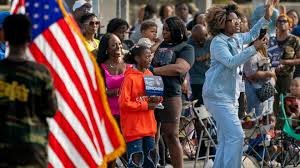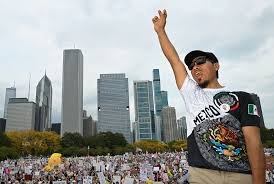
New York City has recently been a focal point for demonstrations under the banner of ‘No Kings Protest NYC’. This movement, gaining momentum across social media and in the streets, represents a growing wave of discontent and a demand for systemic change. But what exactly is the ‘No Kings Protest NYC’ about, and what impact is it having on the city?
The Roots of the Protest: Why ‘No Kings’?
The phrase ‘No Kings’ is a powerful rejection of hierarchical structures and perceived abuses of power. While the specific grievances vary among protestors, the core message centers around challenging authority figures and institutions seen as perpetuating inequality and injustice. The protests aren’t necessarily about literal royalty, but rather a metaphorical dismantling of systems that concentrate power in the hands of a few. Many participants link the protests to broader movements advocating for social and economic justice, including concerns about police brutality, income inequality, and political corruption. The protests have also drawn inspiration from global movements challenging authoritarianism and demanding greater accountability from those in positions of influence.
A key catalyst for the recent surge in protests appears to be a series of local incidents involving perceived overreach by authorities and a lack of transparency in decision-making processes. Social media has played a crucial role in amplifying these concerns and mobilizing protestors. Platforms like Twitter and Instagram have become vital tools for organizing demonstrations, sharing information, and documenting events in real-time. You can find more information about the role of social media in protests at Pew Research Center.
Impact on New York City: Disruptions and Dialogue
The ‘No Kings Protest NYC’ has undeniably impacted the city. Demonstrations have led to temporary disruptions in traffic and public transportation, particularly in areas like Lower Manhattan and Brooklyn. While these disruptions have caused inconvenience for some residents, they have also sparked important conversations about the issues at the heart of the protests. The NYPD has responded to the protests with a visible presence, aiming to maintain order while respecting the protestors’ right to assemble. However, there have been reports of clashes between protestors and law enforcement, raising concerns about police tactics and the use of force.
- Increased Awareness: The protests have brought critical issues to the forefront of public discourse.
- Economic Impact: Disruptions have affected businesses in protest areas, though the long-term economic consequences remain to be seen.
- Political Pressure: The demonstrations are putting pressure on elected officials to address the concerns of protestors.
- Community Engagement: The protests have fostered a sense of community among participants and encouraged greater civic engagement.
What Do Protestors Demand?
The demands of the ‘No Kings Protest NYC’ are diverse, but several key themes emerge. Many protestors are calling for police reform, including increased accountability for misconduct and a reallocation of resources towards community-based programs. Others are advocating for affordable housing, universal healthcare, and a higher minimum wage. A common thread running through these demands is a desire for a more equitable and just society, where everyone has the opportunity to thrive. The movement also emphasizes the importance of grassroots organizing and empowering marginalized communities. For a deeper understanding of the demands for police reform, consider resources from the American Civil Liberties Union.
The ‘No Kings Protest NYC’ is a dynamic and evolving movement. Its future trajectory will depend on a variety of factors, including the response of authorities, the level of public support, and the ability of protestors to sustain momentum. However, one thing is clear: this movement represents a significant expression of discontent and a powerful call for change in New York City and beyond.