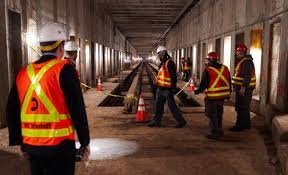
The Metropolitan Transportation Authority (MTA) is the lifeblood of New York City, moving millions of passengers daily. Understanding the MTA – specifically its subway system – is crucial for both residents and visitors. This comprehensive guide will equip you with everything you need to navigate the NYC subway with confidence.
What is the MTA?
The MTA isn’t just the subway. It’s a network encompassing buses, commuter railroads (Long Island Rail Road, Metro-North Railroad), and bridges & tunnels. However, the subway is its most iconic and heavily used component. Established in 1968, the MTA has undergone significant changes and continues to evolve to meet the demands of a growing city. You can find more information about the MTA’s history and structure on their official website: https://new.mta.info/about-the-mta
Understanding MTA Subway Fares & Payment Options
Currently, a single subway ride costs $2.90. Several payment options are available:
- OMNY: The contactless payment system. Tap a contactless credit/debit card, smartphone, or wearable device at OMNY readers.
- MetroCard: A reloadable card. Available for purchase at vending machines in stations.
- Mobile Ticketing: Purchase tickets through the MYmta app.
Consider an Unlimited Ride MetroCard if you plan on taking multiple trips within a 7-day or 30-day period. The MTA website provides a detailed breakdown of all fare options.
Navigating the Subway Lines & Schedules
The NYC subway boasts 24 lines, each identified by a number or letter. Understanding the line colors and destinations is key. The MTA offers several resources to help you plan your trip:
- MYmta App: Real-time train arrival information, trip planning, and service alerts.
- MTA Trip Planner: Available on the MTA website.
- Subway Maps: Available at stations and online.
Service changes and delays are common, especially on weekends. Always check the MTA website or app for the latest service alerts before your commute. Check for current alerts here.
Accessibility & Tips for a Smooth Ride
The MTA is working to improve accessibility across the system. Many stations now offer elevators and ramps. However, accessibility varies significantly between stations. The MTA website provides information on accessible stations.
Here are a few tips for a smoother subway experience:
- Stand clear of the closing doors.
- Let passengers exit the train before attempting to board.
- Be aware of your surroundings.
- Report any suspicious activity to MTA personnel.
- During peak hours, be prepared for crowded conditions.
The MTA is a complex system, but with a little preparation, you can navigate it like a pro. Whether you’re a seasoned New Yorker or a first-time visitor, this guide will help you make the most of your journey.