Flood Warning: Staying Safe During Severe Weather
When the skies darken and the rain begins to fall, it’s easy to underestimate the power of water. A flood warning isn’t just a weather update; it’s a critical alert that demands attention and preparation. Understanding what a flood warning means, how to prepare for one, and what to do during and after a flood can be the difference between safety and disaster. This guide provides essential information to help you navigate these challenging situations.
Understanding Flood Warnings
It’s crucial to differentiate between a flood watch and a flood warning. A flood watch means conditions are favorable for flooding. It’s a heads-up to be prepared. A flood warning, however, means flooding is happening or is imminent. This is the time to take immediate action.
- Flood Watch: Be aware of the potential for flooding. Monitor weather reports and be prepared to move to higher ground if necessary.
- Flood Warning: Flooding is occurring or will occur very soon. Evacuate immediately if instructed to do so.
The National Weather Service (NWS) issues these alerts based on rainfall, river levels, and other meteorological data. You can stay informed through various channels:
- NOAA Weather Radio: A reliable source for official weather alerts. Learn more about NOAA Weather Radio
- Mobile Alerts: Download weather apps that provide push notifications for flood warnings in your area.
- Local News: Tune into local television and radio stations for updates.
- NWS Website: Check the National Weather Service website for the latest forecasts and warnings: https://www.weather.gov/
Preparing for a Flood
Proactive preparation is key to minimizing the impact of a flood warning. Here’s what you can do:
- Create an Emergency Kit: Include water, non-perishable food, a first-aid kit, medications, a flashlight, a battery-powered radio, and extra batteries.
- Develop a Family Emergency Plan: Discuss evacuation routes, meeting points, and communication strategies.
- Secure Important Documents: Store copies of important documents (insurance policies, identification, medical records) in a waterproof container.
- Elevate Appliances: If you live in a flood-prone area, consider elevating your furnace, water heater, and electrical panel.
- Consider Flood Insurance: Standard homeowner’s insurance typically doesn’t cover flood damage. FloodSmart.gov provides information about flood insurance.
What to Do During a Flood Warning
When a flood warning is issued, your safety is paramount:
- Evacuate Immediately: If authorities issue an evacuation order, leave immediately.
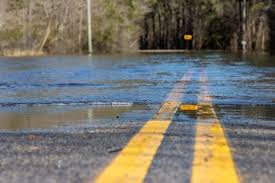
- Avoid Walking or Driving Through Floodwaters: Just six inches of moving water can knock you off your feet, and two feet of water can sweep away a vehicle.
- Turn Off Utilities: If instructed to do so, turn off gas, electricity, and water at the main switches or valves.
- Stay Away from Electrical Equipment: Floodwater can conduct electricity.
After the Flood
Once the floodwaters recede, exercise caution:
- Return Home Only When Safe: Wait for authorities to declare it safe to return.
- Inspect for Structural Damage: Check for cracks in the foundation, damaged walls, and other structural issues.
- Beware of Contaminated Water: Floodwater can contain sewage, chemicals, and other harmful substances.
- Document Damage: Take photos and videos of the damage for insurance claims.
Being prepared for a flood warning is an investment in your safety and well-being. Stay informed, take precautions, and remember that your life is the most important thing.