Several factors combine to create critical fire weather conditions. These include:
- Warm Temperatures: High temperatures dry out vegetation, making it more flammable. The hotter it is, the easier it is for a fire to start and spread.
- Low Relative Humidity: Dry air pulls moisture from vegetation, further increasing flammability. Humidity levels below 15% are particularly concerning.
- Strong Winds: Winds provide oxygen to a fire, helping it grow rapidly, and carry embers long distances, starting new fires (spotting). Sustained winds of 25 mph or higher are often a key factor.
- Dry Fuel: The amount of dry grass, brush, and trees available to burn is a critical component. Drought conditions exacerbate this issue.
- Unstable Atmosphere: Atmospheric instability can lead to dry lightning, a common cause of wildfires, especially in remote areas.
These factors often occur in combination, creating a dangerous situation where even a small spark can ignite a large and rapidly spreading wildfire. The NWS uses sophisticated models and data to predict these conditions and issue Fire Weather Watches accordingly. You can find more information about fire weather forecasting at the
National Weather Service’s Fire Weather page.
What to Do During a Fire Weather Watch
Even though a Fire Weather Watch doesn’t guarantee a wildfire, it’s essential to take precautions:
- Be Extremely Careful with Fire: Avoid outdoor burning, including campfires, bonfires, and even using charcoal grills. If you must use a grill, ensure it’s clear of vegetation and have water nearby.
- Secure Outdoor Items: Bring in or secure any flammable materials, such as patio furniture, trash cans, and firewood.
- Prepare an Evacuation Plan: Know your evacuation routes and have a go-bag ready with essential supplies (water, food, medications, important documents). Discuss the plan with your family.
- Stay Informed: Monitor weather updates from the NWS and local news sources. Sign up for emergency alerts in your area.
- Clear Vegetation: Create defensible space around your home by removing dry leaves, brush, and overhanging branches. This can significantly reduce the risk of your home catching fire.
Remember, proactive preparation is the best defense against wildfires. By understanding the risks associated with a Fire Weather Watch and taking appropriate precautions, you can help protect yourself, your loved ones, and your community. For more detailed information on wildfire preparedness, visit
Ready.gov’s Wildfire page.
Fire Weather Watch: A Comprehensive Guide to Understanding the Risks
In recent years, wildfires have become increasingly frequent and devastating across the globe. Understanding the conditions that contribute to wildfire risk is crucial for preparedness and safety. One key indicator is a “Fire Weather Watch,” issued by the National Weather Service (NWS). This guide will break down what a Fire Weather Watch means, the factors that trigger it, and how you can protect yourself and your community.
What is a Fire Weather Watch?
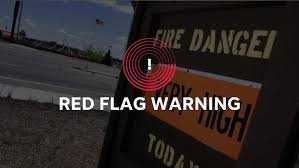
A Fire Weather Watch is issued when conditions are forecast that may lead to critical fire weather. It doesn’t mean a wildfire *will* occur, but it signifies a significantly elevated risk. Think of it as an alert – a heads-up to be prepared. These watches are typically issued 12 to 72 hours before the critical fire weather is expected to develop. It’s a proactive measure to allow communities time to prepare.
Key Factors Triggering a Fire Weather Watch
Several factors combine to create critical fire weather conditions. These include:
- Warm Temperatures: High temperatures dry out vegetation, making it more flammable. The hotter it is, the easier it is for a fire to start and spread.
- Low Relative Humidity: Dry air pulls moisture from vegetation, further increasing flammability. Humidity levels below 15% are particularly concerning.
- Strong Winds: Winds provide oxygen to a fire, helping it grow rapidly, and carry embers long distances, starting new fires (spotting). Sustained winds of 25 mph or higher are often a key factor.
- Dry Fuel: The amount of dry grass, brush, and trees available to burn is a critical component. Drought conditions exacerbate this issue.
- Unstable Atmosphere: Atmospheric instability can lead to dry lightning, a common cause of wildfires, especially in remote areas.
These factors often occur in combination, creating a dangerous situation where even a small spark can ignite a large and rapidly spreading wildfire. The NWS uses sophisticated models and data to predict these conditions and issue Fire Weather Watches accordingly. You can find more information about fire weather forecasting at the
National Weather Service’s Fire Weather page.
What to Do During a Fire Weather Watch
Even though a Fire Weather Watch doesn’t guarantee a wildfire, it’s essential to take precautions:
- Be Extremely Careful with Fire: Avoid outdoor burning, including campfires, bonfires, and even using charcoal grills. If you must use a grill, ensure it’s clear of vegetation and have water nearby.
- Secure Outdoor Items: Bring in or secure any flammable materials, such as patio furniture, trash cans, and firewood.
- Prepare an Evacuation Plan: Know your evacuation routes and have a go-bag ready with essential supplies (water, food, medications, important documents). Discuss the plan with your family.
- Stay Informed: Monitor weather updates from the NWS and local news sources. Sign up for emergency alerts in your area.
- Clear Vegetation: Create defensible space around your home by removing dry leaves, brush, and overhanging branches. This can significantly reduce the risk of your home catching fire.
Remember, proactive preparation is the best defense against wildfires. By understanding the risks associated with a Fire Weather Watch and taking appropriate precautions, you can help protect yourself, your loved ones, and your community. For more detailed information on wildfire preparedness, visit
Ready.gov’s Wildfire page.