Emergency Alert System: Understanding, Updates & What You Need to Know
The Emergency Alert System (EAS) is a national public warning system designed to deliver critical information to the public during national, state, or local emergencies. From severe weather events to AMBER Alerts, the EAS plays a vital role in keeping communities safe. But how does it work, what’s changed recently, and what should you do when you receive an emergency alert?
What is the Emergency Alert System (EAS)?
Established in 1967, the EAS evolved from the earlier CONELRAD system, originally created during the Cold War to warn the public of a potential nuclear attack. Today, the EAS is a collaborative effort between the Federal Emergency Management Agency (FEMA), the Federal Communications Commission (FCC), and national, state, and local public safety agencies. It utilizes radio, television, and now, increasingly, mobile phones to disseminate crucial information.
Recent Updates & Changes to the EAS
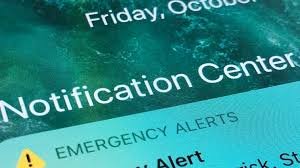
The EAS is constantly being updated to improve its effectiveness and reach. A significant recent change is the integration of Wireless Emergency Alerts (WEA) – the alerts you receive on your smartphone. WEA allows for geographically targeted alerts, meaning you only receive warnings relevant to your location. The FCC continues to refine the system, focusing on improving reliability and reducing false alarms. In 2023, the FCC proposed rules to improve the reliability of the EAS, including requiring broadcasters to participate in regular testing and improving the system’s cybersecurity. You can find more information about these updates on the FCC website.
How Does the Emergency Alert System Work?
The EAS operates through a network of broadcasters, cable systems, satellite radio providers, and wireless carriers. When an emergency is declared, authorized officials activate the system, sending a signal that interrupts regular programming. This signal is then relayed through the network, reaching a wide audience. Here’s a breakdown:
- National Level Alerts: Issued by the President or FEMA for nationwide threats.
- State Level Alerts: Activated by state emergency management agencies for statewide emergencies.
- Local Area Alerts: Triggered by local authorities for localized threats like severe weather or local AMBER Alerts.
- Wireless Emergency Alerts (WEA): Sent directly to mobile phones in affected areas. These alerts are categorized as:
- Imminent Threat Alerts: For severe weather warnings (tornado, hurricane, etc.).
- AMBER Alerts: For missing children.
- Presidential Alerts: Issued by the President during a national emergency.
- Public Safety Alerts: For other significant threats to public safety.
What Should You Do When You Receive an Emergency Alert?
Receiving an emergency alert can be unsettling, but it’s crucial to remain calm and take appropriate action. Here’s what to do:
- Pay Attention: Read or listen to the alert carefully. It will provide information about the nature of the emergency and recommended actions.
- Follow Instructions: Heed any instructions provided by authorities, such as evacuating, sheltering in place, or tuning into a specific radio or television station for updates.
- Stay Informed: Continue to monitor news and official sources for updates on the situation. Reliable sources include the National Weather Service (https://www.weather.gov/), local news outlets, and your local emergency management agency.
- Share Information: If safe to do so, share information with family, friends, and neighbors, especially those who may not have received the alert.
Preparing for Emergency Alerts
Being prepared can significantly improve your response to an emergency. Consider these steps:
- Register for WEA: Most modern smartphones are automatically registered for WEA. Check your phone’s settings to ensure it’s enabled.
- Have a NOAA Weather Radio: A NOAA Weather Radio provides continuous weather broadcasts and alerts.
- Create an Emergency Kit: Include essential supplies like water, food, first-aid supplies, and a flashlight.
- Develop a Family Emergency Plan: Discuss potential emergencies with your family and create a plan for how to respond.
The Emergency Alert System is a vital tool for protecting communities. By understanding how it works and knowing what to do when you receive an emergency alert, you can help ensure your safety and the safety of those around you.