Understanding El Niño: A Global Weather Phenomenon
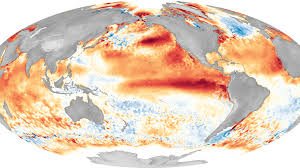
El Niño-Southern Oscillation (ENSO) is a climate pattern that describes the unusual warming of surface waters in the eastern tropical Pacific Ocean. This warming, known as El Niño, has significant impacts on weather patterns worldwide, leading to shifts in temperature, precipitation, and even storm tracks. Understanding El Niño is crucial for anticipating and mitigating its potential consequences.
What Causes El Niño?
The typical conditions in the Pacific involve strong trade winds blowing west, pushing warm surface water towards Asia and Australia. This allows cooler water to upwell along the coast of South America. During El Niño, these trade winds weaken or even reverse. This allows the warm water to slosh back eastwards, suppressing the upwelling of cold water. This change in ocean temperature disrupts atmospheric circulation, leading to widespread weather anomalies.
The Impacts of El Niño Weather
The effects of El Niño are far-reaching and vary depending on the region. Here’s a breakdown of some key impacts:
- North America: Generally milder winters in western Canada and the northern United States, and wetter conditions across the southern tier of the US. Increased risk of heavy rainfall and flooding in California.
- South America: Increased rainfall and flooding in Peru and Ecuador. Drier conditions in parts of Brazil and Argentina.
- Asia & Australia: Drier conditions in Indonesia, Australia, and parts of Southeast Asia, potentially leading to droughts and wildfires.
- Africa: Wetter conditions in eastern Africa and drier conditions in southern Africa.
- Global Temperatures: El Niño events typically contribute to warmer global average temperatures. The World Meteorological Organization ([https://public.wmo.int/en](https://public.wmo.int/en)) closely monitors these trends.
Preparing for El Niño Weather
While predicting the exact impacts of El Niño is challenging, being prepared can minimize potential disruptions. Here are some steps you can take:
- Stay Informed: Regularly check weather forecasts and advisories from reliable sources like Environment Canada ([https://weather.gc.ca/](https://weather.gc.ca/)) and the National Weather Service ([https://www.weather.gov/](https://www.weather.gov/)).
- Emergency Preparedness: Ensure you have an emergency kit with essential supplies like food, water, medication, and a first-aid kit.
- Flood Awareness: If you live in a flood-prone area, be aware of potential risks and have a plan for evacuation.
- Drought Mitigation: In areas prone to drought, conserve water and implement water-saving measures.
- Monitor Agricultural Impacts: Farmers should monitor crop conditions and adjust planting schedules as needed.
The Future of El Niño
Climate change is expected to influence the frequency and intensity of El Niño events. Some studies suggest that we may see more frequent and stronger El Niños in the future. Continued research and monitoring are essential to better understand these changes and prepare for their impacts. The impacts of El Niño weather are a critical component of understanding global climate patterns and ensuring community resilience.