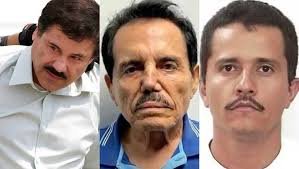
El Chapo: The Rise and Fall of a Drug Lord
Joaquín “El Chapo” Guzmán Loera, a name synonymous with the global drug trade, rose from a modest background in rural Mexico to become arguably the most powerful and infamous drug lord in history. His story is a complex tapestry of violence, wealth, cunning, and ultimately, capture and conviction. This article delves into the life of El Chapo, exploring his ascent to power, the inner workings of the Sinaloa Cartel, his daring escapes from prison, and his eventual downfall.
Early Life and the Beginnings of a Criminal Empire
Born in 1954 in La Tuna, Badiraguato, Sinaloa, Mexico, Guzmán’s early life was marked by poverty. He began his involvement in the drug trade in the 1970s, initially working as a lookout and later becoming a pilot for the Guadalajara Cartel, under the mentorship of Miguel Ángel Félix Gallardo. He quickly demonstrated a ruthless ambition and a knack for logistics, skills that would prove crucial in his future endeavors.
The Rise of the Sinaloa Cartel
Following the arrest of Félix Gallardo in 1989, the Guadalajara Cartel fragmented, and Guzmán seized the opportunity to establish the Sinaloa Cartel. Unlike many of his predecessors, El Chapo focused on building a highly organized and efficient operation. He invested heavily in technology, communication networks, and a vast network of corrupt officials, allowing the cartel to expand its reach across Mexico, the United States, and beyond. The Sinaloa Cartel became known for its innovative smuggling techniques, including the construction of sophisticated tunnels under the US-Mexico border. DEA – Sinaloa Cartel provides detailed information on the cartel’s operations.
Escapes and Elusiveness
El Chapo’s notoriety wasn’t solely based on his power; it was also fueled by his remarkable ability to evade capture. He escaped from two maximum-security prisons in Mexico – first in 2001 and again in 2015 – both times in elaborate and audacious fashion. The 2015 escape, involving a mile-long tunnel dug directly into his cell, captured global attention and highlighted the extent of corruption within the Mexican penal system. These escapes cemented his legendary status and made him a symbol of defiance against the authorities.
Capture, Extradition, and Sentencing
After years on the run, El Chapo was finally recaptured in January 2016, following a dramatic raid by Mexican marines. He was subsequently extradited to the United States in 2017 to face charges of drug trafficking, conspiracy, and money laundering. In February 2019, he was found guilty on all counts and sentenced to life in prison plus 30 years. His trial revealed shocking details about the inner workings of the Sinaloa Cartel and the vast sums of money involved in the drug trade. US Department of Justice – El Chapo Sentencing details the sentencing and charges.
The Legacy of El Chapo
The capture and conviction of El Chapo marked a significant blow to the Sinaloa Cartel, but it did not dismantle the organization entirely. The cartel has since fragmented, with various factions vying for control. El Chapo’s legacy remains complex. He is seen by some as a folk hero in his home region of Sinaloa, while others view him as a ruthless criminal responsible for widespread violence and addiction. His story serves as a cautionary tale about the devastating consequences of the drug trade and the challenges of combating organized crime.