Earthquake California: Staying Safe in the Golden State
California, known for its stunning landscapes and vibrant cities, also resides in one of the most seismically active regions in the world. Earthquakes are a natural part of life here, and understanding the risks, preparedness measures, and what to do during and after a quake is crucial for every resident and visitor. This guide provides the latest information on earthquake activity in California, along with essential safety tips.
Understanding Earthquake Risks in California
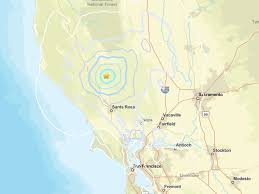
The state sits on the boundary of the Pacific and North American tectonic plates, leading to frequent seismic activity. The San Andreas Fault, a major fault line running through California, is a primary source of earthquakes. While most quakes are minor and go unnoticed, the potential for a major earthquake is always present. The United States Geological Survey (USGS) continuously monitors seismic activity and provides valuable data. You can find real-time earthquake information on their website:
USGS Earthquake Map. Understanding the potential impact of earthquakes based on your location within California is the first step towards preparedness.
Recent Earthquake Activity in California
While there haven’t been any *major* earthquakes recently (as of October 26, 2023), California experiences numerous smaller tremors daily. These are often felt locally and serve as a reminder of the ongoing seismic activity. Staying updated on recent activity is vital. Resources like the USGS and local news outlets provide timely information. It’s important to differentiate between a tremor and a potentially damaging earthquake. Generally, anything below magnitude 4.0 is considered a minor tremor.
Earthquake Preparedness: Before, During, and After
Before an Earthquake
- Secure your space: Fix heavy furniture to walls, move breakable items to lower shelves, and secure appliances.
- Create an emergency kit: Include water (one gallon per person per day for at least three days), non-perishable food, a first-aid kit, a flashlight, a whistle, a radio, and essential medications.
- Develop a communication plan: Establish a meeting point for your family and ensure everyone knows how to contact each other.
- Learn first aid and CPR: Knowing basic medical skills can be life-saving.
- Identify safe spots: Under sturdy furniture or against an interior wall.
During an Earthquake
- Drop, Cover, and Hold On: This is the most important safety measure. Drop to your hands and knees, cover your head and neck with your arms, and hold on to a sturdy piece of furniture.
- If outdoors: Move to a clear area away from buildings, trees, and power lines.
- If driving: Pull over to a safe location and set the parking brake.
- Stay away from windows and anything that could fall.
After an Earthquake
- Check for injuries: Provide first aid if needed.
- Check for damage: Look for structural damage to your home or building.
- Be aware of aftershocks: These can be strong and cause further damage.
- Listen to the radio or television for updates and instructions.
- Avoid using elevators.
Resources for Earthquake Information
* **United States Geological Survey (USGS):**
https://earthquake.usgs.gov/
* **California Earthquake Authority (CEA):**
https://www.earthquakeauthority.com/
* **American Red Cross:**
https://www.redcross.org/get-prepared/disaster-safety-workshops/earthquake.html
* **California Office of Emergency Services (CalOES):**
https://www.caloes.ca.gov/