Dingoes: The Deadly Reality Behind Australia’s Iconic Wild Dogs
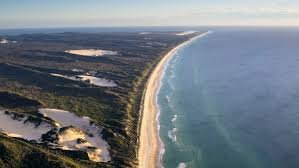
The sun was beginning to rise when 19-year-old Piper James ventured towards the Pacific Ocean for a morning swim on K’gari (formerly Fraser Island), an island celebrated for its breathtaking natural beauty off Australia’s eastern coast. Within hours, her body was discovered surrounded by dingoes, the wild native dogs that freely roam this World Heritage-listed national park.
A Tragic Loss and Unanswered Questions
The cause of Piper’s death remains under investigation. Preliminary autopsy results indicate she drowned, but also revealed dingo bites both before and after her death. Authorities have stated that the pre-mortem bites likely didn’t cause immediate fatality. Her grieving father, Todd James, expressed a hope that drowning was the primary cause, finding it a potentially more peaceful outcome.
Pathology tests are underway, and if dingoes are confirmed to have played a significant role, it would mark only the third fatal dingo attack in Australia in almost 50 years – and the first involving an adult. This incident has reignited a long-standing debate about dingo management and visitor safety.
A History of Dingo Encounters
Australia has a complex history with dingoes. The infamous 1980 case of Azaria Chamberlain, a baby snatched from her tent, captivated the nation and led to a wrongful conviction of her mother, Lindy Chamberlain. Years later, new evidence exonerated Lindy, inspiring a dramatic retelling of the story.
The second fatality occurred in 2001, when a 9-year-old boy was fatally mauled by two dingoes on K’gari. This tragedy prompted the installation of fences around townships and resorts, and the controversial “humane destruction” of over 30 dingoes.
Fear of Another Cull
The recent death has sparked concerns about a potential new cull. However, Piper’s family vehemently opposes this solution. “We want no harm done to any animals over this, because Piper would not want that,” her father stated.
Understanding the Risks and Dingo Behavior
Visitors to K’gari are warned about the risks posed by dingoes, but concerns remain about the adequacy of safety measures for young foreign nationals working on the island. Piper herself reportedly thought the dingoes looked “cute,” comparing them to her dog back home.
The island is home to up to 200 dingoes, possessing some of the purest dingo DNA due to their isolation. Australia considers their conservation a matter of “national significance.” However, wildlife biologist Ben Allen explains that dingoes view humans as a potential food source, a behavior akin to seagulls aggressively seeking handouts. “These seagulls have got four feet and teeth, so you don’t really want to be feeding them a chip,” he cautions.
Changing Safety Advice
Recent attacks, including incidents in 2023 where a child was dragged underwater and a woman was seriously injured while attempting to escape into the surf, have led to a revision of safety advice. Previously, visitors were advised to enter the water if stalked by a dingo, but this advice has been retracted.
The Circumstances of Piper James’ Death
Piper was swimming alone near the Maheno shipwreck when the incident occurred. It remains unclear whether she drowned before or after the dingo encounter. Her father believes she didn’t take a dingo stick, underestimating the potential danger.
The Butchulla People and Conservation
The Butchulla people, the traditional custodians of the land, have a deep cultural connection to the dingoes (known as wongari in their language). They advocate for limiting visitor numbers, particularly during breeding season, to minimize conflict. They strongly oppose any cull, emphasizing the importance of respecting the dingoes’ role in the ecosystem.
Looking Ahead
The James family plans to participate in a smoking ceremony with the Butchulla people, a traditional ritual for cleansing and healing. They hope Piper’s death will lead to improved safety measures and a greater awareness of the risks associated with dingoes.
As Australia continues to grapple with the balance between tourism, conservation, and public safety, understanding the behavior of these iconic wild dogs is crucial. The inherent risks of being in nature, as Allen points out, must be acknowledged and respected.
Learn more about dingo conservation efforts: Australian Museum – Dingo