Deportation Challenges in Canada: A Case Study
Recent events have brought Canada’s deportation process into sharp focus, raising serious questions about its efficiency and effectiveness. The case of Abjeet Kingra, a member of the Bishnoi extortion gang, highlights the difficulties authorities face in removing individuals deemed a threat to public safety.
The Disappearance of a Deportation Subject
During Kingra’s deportation hearing on Thursday, Immigration and Refugee Board (IRB) officials shockingly announced they had lost track of the suspect. The Canada Border Services Agency (CBSA), responsible for Kingra’s deportation, also admitted to being unaware of his whereabouts. “Without knowing where he is, there’s not much else we can do,” stated Azeem Lalji, the IRB member overseeing the case, leading to an immediate adjournment.
Despite the confusion, the B.C. court confirmed Kingra remained in custody, awaiting trial for a shooting and arson in Surrey. This discrepancy sparked outrage and accusations of systemic failures within the Canadian legal and immigration systems.
The Bishnoi Gang and Extortion Violence
The Bishnoi gang, originating in India, has been linked to a surge in extortion violence targeting Canadian cities with significant South Asian populations. Designated as a terrorist group in Canada, the gang is accused of murders, shootings, and arsons aimed at prominent community members, businesses, and cultural figures. Kingra’s case is one of the first deportation hearings involving a Bishnoi member as authorities crack down on extortion in British Columbia, Alberta, and Ontario.
A Pattern of Issues and Rising Concerns
The Kingra incident isn’t isolated. As of March 12, 2026, border officials are investigating 372 foreign citizens identified by B.C.’s extortion task force, with removal orders issued for 70. Thirty-five have already been deported, while others are awaiting deportation hearings. However, the recent events raise concerns about the ability to effectively carry out these removals.
Kingra’s Criminal History
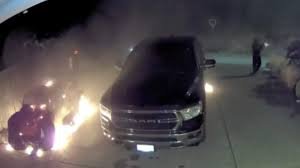
Kingra’s path to facing deportation began with a student visa and employment at a moving company in Winnipeg. He was allegedly recruited into the Lawrence Bishnoi gang, which operates by extorting victims in Canada. He pleaded guilty to shooting the Vancouver Island home of Punjabi singer AP Dhillon and setting fire to the victim’s cars. He received a six-year sentence, apologizing for his actions and expressing remorse. However, he was subsequently charged with another shooting and arson in Surrey, with a court date scheduled for April 21.
Broader Implications and Political Tensions
The RCMP has accused the Bishnoi gang of potentially working on behalf of the Indian government to target Sikh activists, including Hardeep Singh Nijjar, who was assassinated in Surrey in 2023. This accusation has fueled political tensions between Canada and India. While Prime Minister Mark Carney has sought to rebuild ties with India, Canadian Sikh organizations have expressed concerns that their security is being compromised in pursuit of trade agreements.
The CBSA is collaborating with law enforcement agencies in B.C., Alberta, and Ontario to combat the extortion crisis. When police identify individuals violating the Immigration and Refugee Protection Act, they notify the CBSA, which then conducts investigations that may lead to deportation.
The Need for Systemic Reform
The Kingra case underscores the urgent need for a thorough review of Canada’s deportation system. Questions remain about how a suspect could be “lost” during deportation proceedings, and what measures can be taken to prevent similar incidents in the future. The incident has ignited public outrage, with many demanding greater accountability and a more robust approach to removing individuals who pose a threat to Canadian communities. Global News provides further details on this developing story.