
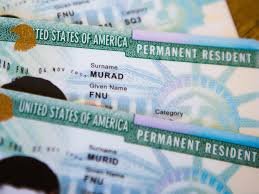
Your Complete Guide to Obtaining a Green Card: Paths to US Permanent Residency
For many people around the world, including those residing in Canada, the prospect of moving to the United States represents a gateway to new professional opportunities, academic excellence, and a different lifestyle. The key to unlocking this door is the Green Card, officially known as a Permanent Resident Card.
But how exactly does one obtain this coveted document? The process can seem daunting due to the complex legal requirements and the various pathways available. In this comprehensive guide, we will break down the most effective ways to secure your US Permanent Residency.
What Exactly is a Green Card?
A Green Card allows a non-US citizen to live and work permanently in the United States. While it does not grant immediate citizenship, it provides most of the same rights as a citizen, including the ability to apply for naturalization after a certain period of residency.
The Most Common Pathways to a Green Card
Depending on your personal and professional situation, there are several routes you can take to apply for a Green Card:
- Family-Based Sponsorship: This is one of the most common routes. Immediate relatives of US citizens (spouses, children, and parents) can apply for residency with fewer restrictions on quotas.
- Employment-Based Preference: If you possess specialized skills or a job offer from a US employer, you may qualify for an employment-based Green Card. This varies from priority workers to professionals with advanced degrees.
- The Diversity Visa Lottery: Every year, the US government grants a specific number of Green Cards to people from countries with low rates of immigration to the US through a random lottery system.
- Refugee or Asylee Status: Individuals who can prove a well-founded fear of persecution in their home country may apply for asylum and eventually transition to permanent residency.
The Application Process: A Step-by-Step Overview
While every case is unique, the general flow of the application typically follows these stages:
- Petition Filing: A sponsor (family member or employer) usually files a petition (such as Form I-130 or I-140) with the U.S. Citizenship and Immigration Services (USCIS).
- Visa Processing: Once the petition is approved, the applicant applies for an immigrant visa through the U.S. Department of State.
- The Interview: Applicants must attend an interview at a US embassy or consulate to verify their eligibility.
- Entry and Card Issuance: After the visa is granted and the person enters the US, the physical Green Card is mailed to their address.
Expert Tips for a Successful Application
Navigating US immigration law requires precision. To increase your chances of success, consider the following tips:
- Double-Check Documentation: The most common cause of delays is missing or incorrect paperwork. Ensure every form is filled out accurately.
- Stay Updated on Law Changes: Immigration policies can shift quickly. Regularly check official government portals for updates.
- Consult a Professional: Depending on the complexity of your case, hiring a licensed immigration attorney can be a wise investment to avoid costly mistakes.
Final Thoughts
Securing a Green Card is a life-changing milestone. Whether you are pursuing a career leap or reuniting with family, understanding the available options is the first step toward your American dream. Stay patient, stay organized, and start your application process with the right information.



