
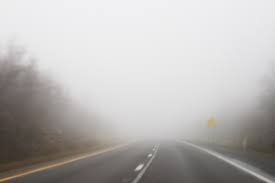
Yellow Advisory – Fog: Understanding the Risks and Staying Safe
Driving through the diverse landscapes of Canada often means encountering unpredictable weather. One of the most challenging conditions for any driver is a yellow advisory for fog. When visibility drops suddenly, the road can become a hazardous environment in a matter of seconds.
But what exactly does a yellow advisory mean, and how should you react when one is issued for your area? In this guide, we break down everything you need to know to keep yourself and your passengers safe.
What is a Yellow Advisory for Fog?
In weather forecasting, a yellow advisory is typically a signal that weather conditions are becoming unfavorable. While it may not be a severe emergency warning, it serves as a crucial alert that reduced visibility is expected. Fog occurs when water vapour condenses into tiny droplets near the ground, creating a cloud that obscures the road, signs, and other vehicles.
For Canadians, this is particularly common during the autumn and spring months, or in coastal regions where warm air meets cold water.
The Dangers of Low Visibility
Fog is deceptive. It often creates an illusion of speed or distance, leading drivers to believe they are moving slower than they actually are. The primary risks include:
- Delayed Reaction Time: You have significantly less time to brake when an obstacle appears.
- Hidden Hazards: Potholes, debris, or stalled vehicles become nearly invisible.
- Multi-Vehicle Pile-ups: High-speed highways are particularly dangerous during fog advisories.
Essential Safety Tips for Driving in Fog
If you encounter a yellow advisory or find yourself driving through a thick blanket of fog, follow these professional safety guidelines:
1. Use Low-Beam Headlights
It may be tempting to switch to high beams, but avoid them. High beams reflect off the water droplets in the fog, creating a “white wall” effect that further blinds you. Use your low-beam headlights or dedicated fog lights to increase your visibility to others.
2. Increase Following Distance
The standard three-second rule isn’t enough in fog. Increase the gap between you and the car in front to at least 6-8 seconds. This gives you a vital cushion to react if traffic stops abruptly.
3. Slow Down and Stay Alert
Reduce your speed significantly. If you cannot see clearly, it is better to arrive late than not at all. Keep your music low and your windows slightly cracked to hear emergency sirens or other vehicles.
4. Avoid Stopping on the Shoulder
If visibility becomes zero, do not stop on the shoulder of the highway. Other drivers may mistake your taillights for the lane marker and rear-end you. Instead, find a safe parking lot or a designated rest area.
Where to Find Real-Time Weather Updates
Before hitting the road, always check the latest forecasts. For the most accurate and up-to-date alerts in Canada, visit the official Environment Canada website. Staying informed is the first step in preventing accidents.
Stay safe, stay visible, and always prioritize caution when a fog advisory is in effect.



