
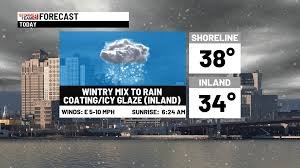
Winter Weather Advisory: Staying Safe During Harsh Conditions
As winter descends, bringing with it the potential for snow, ice, and frigid temperatures, understanding the difference between a Winter Weather Advisory, a Winter Weather Watch, and a Winter Storm Warning is crucial for your safety. This article focuses on the Winter Weather Advisory – what it means, how to prepare, and how to stay safe when one is issued for your area.
What Does a Winter Weather Advisory Mean?
A Winter Weather Advisory is issued by the National Weather Service (NWS) to alert the public about conditions that are expected to cause significant inconveniences. These conditions may include:
- Light to moderate snow accumulation (typically 2-4 inches)
- Slippery roads due to ice or snow
- Blowing snow causing reduced visibility
- Light freezing rain or drizzle
While not life-threatening, these conditions can make travel dangerous and create hazardous situations. It’s a call to be cautious and prepared.
Preparing for a Winter Weather Advisory
Proactive preparation is key to navigating a Winter Weather Advisory safely. Here’s a checklist:
- Stay Informed: Monitor weather updates from the National Weather Service, local news, and reliable weather apps.
- Winterize Your Vehicle: Ensure your car has adequate antifreeze, windshield wiper fluid, and tire tread. Consider carrying a winter emergency kit (see below).
- Home Preparation: Check your heating system and ensure it’s functioning properly. Insulate pipes to prevent freezing.
- Emergency Kit: Assemble a kit containing:
- Flashlight with extra batteries
- First-aid kit
- Warm blankets and clothing
- Non-perishable food and water
- Shovel
- Sand or salt for traction
- Cell phone charger
- Stock Up: Have enough groceries and essential supplies on hand to avoid unnecessary trips during the advisory.
Staying Safe During a Winter Weather Advisory
When a Winter Weather Advisory is in effect, prioritize safety:
- Travel with Caution: If you must travel, slow down, increase your following distance, and be aware of black ice.
- Avoid Unnecessary Travel: The safest option is often to stay home.
- Dress Warmly: Wear layers of warm clothing, including a hat, gloves, and scarf.
- Check on Neighbors: Especially elderly or vulnerable individuals.
- Be Aware of Hypothermia and Frostbite: Know the symptoms and seek medical attention if necessary. Learn more about hypothermia from the CDC.
The Difference Between an Advisory, Watch, and Warning
It’s important to understand the escalating levels of severity:
- Winter Weather Advisory: Inconvenient conditions. Be cautious.
- Winter Weather Watch: Conditions are possible. Be prepared.
- Winter Storm Warning: Dangerous, life-threatening conditions are imminent. Take action!
Staying informed and prepared is the best defense against the challenges of winter weather. Don’t underestimate the power of a Winter Weather Advisory – it’s a signal to take precautions and prioritize your safety.



