
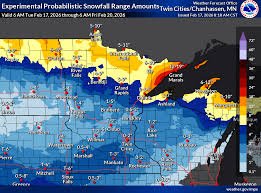
A powerful winter storm is barreling through the Midwest, prompting widespread winter storm warnings. Millions are bracing for heavy snowfall, blizzard conditions, and dangerously cold temperatures. This isn’t just a matter of inconvenience; it’s a serious threat to safety, and understanding the risks and taking proactive steps is crucial.
What Areas are Under Winter Storm Warnings?
The National Weather Service (NWS) has issued winter storm warnings for a large swath of the Midwest, including parts of Iowa, Illinois, Missouri, Wisconsin, Michigan, and Indiana. Specific areas under the most severe warnings are experiencing snowfall rates of 1-3 inches per hour, coupled with strong winds creating blizzard-like conditions. Visibility is significantly reduced, making travel extremely hazardous. You can find the latest, most up-to-date information on active warnings at the National Weather Service website.
The Hazards: What to Expect
This Midwest winter storm brings a multitude of hazards:
- Heavy Snowfall: Accumulations of 8-16 inches are expected in many areas, with localized higher amounts possible.
- Blizzard Conditions: Strong winds (up to 60 mph) combined with falling and blowing snow will create near-zero visibility.
- Dangerous Wind Chills: Temperatures will plummet, with wind chills dropping below -20°F in some locations, leading to a risk of frostbite and hypothermia.
- Travel Disruptions: Roads will become impassable, and flights are likely to be canceled or delayed.
- Power Outages: Heavy snow and strong winds can bring down power lines, leaving residents without heat.
Staying Safe During the Winter Storm
Your safety is paramount. Here’s how to prepare and stay safe during this winter storm in the Midwest:
- Stay Informed: Monitor weather updates from reliable sources like the NWS and local news.
- Avoid Travel: If possible, stay off the roads. If you must travel, ensure your vehicle is winterized and equipped with an emergency kit.
- Prepare Your Home: Insulate pipes, have a backup heat source, and stock up on essential supplies like food, water, and medications.
- Dress Warmly: Wear layers of clothing, including a hat, gloves, and scarf, when venturing outdoors.
- Check on Neighbors: Especially those who are elderly or have disabilities.
Emergency Kit Essentials
A well-stocked emergency kit can make all the difference. Include the following:
- Flashlight and extra batteries
- First-aid kit
- Non-perishable food and water
- Blankets and warm clothing
- Battery-powered or hand-crank radio
- Shovel
- Sand or salt
The Midwest winter storm is a serious event. By staying informed, preparing your home, and taking necessary precautions, you can protect yourself and your loved ones. Remember to prioritize safety and avoid unnecessary risks. For more detailed information on winter weather safety, visit Ready.gov.



