
Understanding the Winter Storm Warning: How to Stay Safe and Prepared
Living in Canada means embracing the beauty of the seasons, but it also means being ready for the unpredictable power of nature. When a winter storm warning is issued, it isn’t just a suggestion to wear a heavier coat—it’s a critical alert that significant snowfall, freezing rain, or ice is imminent and could pose a threat to safety and travel.
Being proactive is the best way to minimize risk. Whether you are in the Prairies, the Maritimes, or the heart of Ontario, knowing how to react to these alerts can make all the difference.
What Exactly is a Winter Storm Warning?
A winter storm warning is typically issued by Environment Canada when conditions are expected to be severe enough to cause significant disruptions to daily life. This differs from a “watch,” which means conditions might develop. A warning means the storm is likely happening or about to hit.
Essential Winter Storm Preparation Checklist
Preparation is key to weathering the storm without stress. Ensure you have the following ready before the first flake falls:
- Emergency Kit: Stock up on non-perishable food, bottled water, a first-aid kit, and a flashlight with extra batteries.
- Heating Backup: Ensure your heating system is serviced. If you use a generator, keep it outside to prevent carbon monoxide poisoning.
- Warm Clothing: Layers are your best friend. Have thermal wear, wool socks, and waterproof boots readily available.
- Communication: Keep your mobile devices charged and have a battery-powered radio to stay updated on weather alerts.
Staying Safe During the Storm
Once a winter storm warning is in effect, the safest place to be is indoors. If you must stay inside, keep these tips in mind:
1. Avoid Overworking Your Heater: While it’s tempting to crank up the heat, ensure your vents aren’t blocked and your furnace is breathing properly.
2. Check on Neighbours: If it is safe to do so, check in on elderly neighbours or those living alone to ensure they have heat and supplies.
3. Stay Hydrated: It is easy to forget to drink water during the winter, but hydration is essential for maintaining body temperature and health.
Safe Driving and Travel Tips
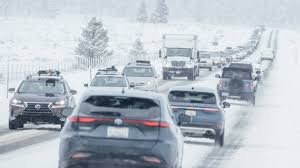
If travel is absolutely necessary during a winter storm, caution is paramount. Canadian roads can become treacherous in minutes.
- Winter Tires: Ensure your vehicle is equipped with winter tires; they provide significantly better grip on ice and snow than all-season tires.
- The Winter Car Kit: Always carry a snow brush, ice scraper, sand or kitty litter (for traction), and a warm blanket in your trunk.
- Slow Down: Increase your following distance and avoid sudden braking. If visibility drops to zero, pull over safely and wait.
Final Thoughts on Winter Readiness
While a winter storm warning can feel overwhelming, staying informed and prepared transforms a potential crisis into a manageable inconvenience. For more detailed emergency planning, visit the Canadian Red Cross to build a comprehensive disaster plan for your family.
Stay warm, stay alert, and stay safe, Canada!



