
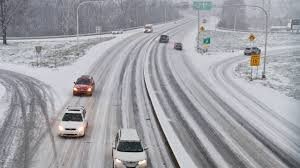
Winter Storm Warning: Everything You Need to Know to Stay Safe in Canada
When a winter storm warning is issued, it is more than just a forecast—it is a call to action. For those of us living in the Great White North, severe winter weather is a part of life, but being unprepared can lead to dangerous situations. Whether it is heavy snowfall, freezing rain, or blinding blizzards, knowing how to react can make all the difference for you and your family.
What Exactly is a Winter Storm Warning?
It is common to confuse a “watch” with a “warning,” but the distinction is critical for your safety. According to Environment Canada, the differences are as follows:
- n
- Winter Storm Watch: Conditions are favorable for a winter storm to develop. You should start monitoring the weather and preparing your supplies.
- Winter Storm Warning: A severe winter storm is occurring, is imminent, or is expected. This is the time to take immediate action to protect yourself and your property.
Essential Preparation Checklist
Preparation is the best defense against the elements. If you see a winter storm warning in your area, ensure you have the following essentials ready to go:
1. The Emergency Kit
Don’t wait until the power goes out to realize you’re missing basics. Your kit should include:
- n
- Non-perishable food: Canned goods, energy bars, and dried fruits.
- Water: At least 2 litres per person per day.
- Lighting: Flashlights with extra batteries or LED lanterns (avoid candles to prevent fire hazards).
- First Aid: A fully stocked first aid kit and essential medications.
- Warmth: Heavy blankets, sleeping bags, and thermal clothing.
2. Home Maintenance
Prepare your home to withstand freezing temperatures. Ensure your heating system is functioning correctly, seal gaps around windows and doors to prevent drafts, and make sure you have a safe way to clear snow from your driveway and walkways.
Safety Tips During the Storm
Once the storm hits, the most important rule is simple: Stay indoors. If you must venture out, keep these safety tips in mind:
- n
- Avoid Travel: Roads can become treacherous instantly. If you are caught in a storm while driving, stay in your vehicle and keep the exhaust pipe clear of snow to avoid carbon monoxide poisoning.
- Dress in Layers: Use the layering system (base, middle, and outer shell) to trap heat and stay dry.
- Stay Hydrated and Fed: Your body needs more energy to maintain its core temperature in extreme cold.
- Monitor Official Alerts: Keep a battery-powered radio or your smartphone charged to receive the latest updates from local authorities.
Post-Storm Recovery
After the winter storm warning has lifted, the work isn’t over. Be careful when shoveling snow, as the physical exertion in cold temperatures can put a strain on the heart. Take frequent breaks and drink plenty of water.
Additionally, check on elderly neighbors or vulnerable family members to ensure they have heat and supplies. Community support is vital during and after extreme weather events.
For more detailed information on disaster preparedness and safety protocols, visit the Canadian Red Cross.
Stay warm, stay safe, and always keep an eye on the forecast!



