
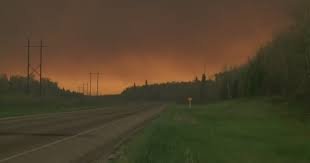
Understanding Winnipeg Air Quality: What You Need to Know
For residents of Manitoba, keeping an eye on Winnipeg air quality is more than just a curiosity—it is a vital part of maintaining a healthy lifestyle. From the crisp winters to the unpredictable summers, the air we breathe in the Prairies can vary significantly based on weather patterns, industrial activity, and seasonal environmental events.
Whether you are a lifelong Winnipegger or a newcomer, understanding the Air Quality Index (AQI) and how it affects your daily routine is essential for long-term wellness.
Why Does Air Quality Fluctuate in Winnipeg?
Several factors contribute to the shifts in air quality across the city. While Winnipeg generally enjoys fresh air, certain periods can see a spike in pollutants:
- Wildfire Smoke: During the summer months, wildfires in Northern Manitoba and surrounding provinces often send plumes of smoke southward, significantly increasing particulate matter (PM2.5).
- Urban Traffic: As a central hub, vehicle emissions from commuting and transport contribute to nitrogen dioxide and ozone levels.
- Temperature Inversions: During cold winter months, a layer of warm air can trap pollutants close to the ground, leading to temporary dips in air quality.
How to Monitor the Air Quality Index (AQI)
The best way to protect yourself is to stay informed. The AQI is a standardized indicator used to communicate how polluted the air currently is or is forecast to become.
To get real-time updates on Winnipeg air quality, we recommend utilizing high-authority resources such as Environment and Climate Change Canada. These tools provide color-coded alerts that tell you whether the air is Low, Moderate, or High Risk.
Practical Tips to Protect Your Health
When air quality levels reach an unhealthy threshold, taking proactive steps can prevent respiratory issues and irritation. Here are some expert-recommended strategies:
- Limit Outdoor Exertion: Avoid jogging or heavy outdoor work during peak pollution hours or smoke events.
- Use Air Purifiers: Investing in a HEPA (High-Efficiency Particulate Air) filter can significantly reduce indoor pollutants and allergens.
- Keep Windows Closed: During wildfire smoke events, keep your home sealed and use air conditioning on “recirculate” mode.
- Wear Protective Masks: If you must go outside during high-pollution alerts, an N95 respirator is far more effective than a cloth mask at filtering out fine particles.
Conclusion: Breathe Easier in the Heart of the Continent
While we cannot control the wind or the occurrence of wildfires, we can control how we respond to them. By staying vigilant about Winnipeg air quality and adopting simple health precautions, you can ensure that you and your family continue to enjoy the beauty of Manitoba safely.
For more comprehensive health guidelines regarding air pollution, visit the Health Canada official website.



