
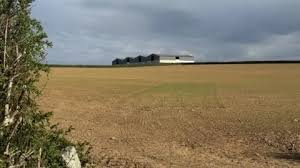
The Battle for the Horizon: Wind Turbines Spark Controversy in Cornwall
The serene landscapes of Cornwall are currently at the center of a heated debate. Residents of Helland are sounding the alarm over proposals to install seven towering wind turbines, each reaching 100 metres (330ft) in height. While the push for green energy is accelerating globally, the local community fears that these structures will irrevocably destroy the rural tranquillity that defines the region.
Visual Impact and Community Concerns
Critics argue that if the project at Helland Barton Farm moves forward, the turbines would be visible from the north to the south coasts of Cornwall. Some projections suggest they could be seen as far as Trevose Head, near Constantine Bay—approximately 23 miles (37km) away.
Orlando Kimber, chair of the Helland Parish Council, emphasizes that the project represents a jarring shift for an area that has remained largely rural since the Domesday Book of 1086. The concerns are not just aesthetic; they include:
- Loss of Farmland: The conversion of agricultural land into industrial energy sites.
- Infrastructure Stress: Significant increases in traffic during the lengthy construction phase.
- Environmental Amenity: A perceived loss of open spaces and natural beauty.
The Argument for Energy Security
On the other side of the debate, developers argue that the project is a necessity in a volatile global market. Walter Wonnacott, a planning consultant for developer Mark Quinn, points to the instability of gas and oil markets following the invasion of Ukraine as a primary driver for the urgency of the project.
According to Wonnacott, the site possesses rare qualities that make it ideal for renewable energy production. The technical benefits are significant:
- High Capacity: A proposed total capacity of over 14MW.
- Powering Homes: An estimated annual yield of 32,000 MWh, enough to power roughly 12,000 typical UK homes.
- Strategic Location: Access to a substantial grid connection and a powerful wind resource.
What Happens Next?
Although the formal planning application has not yet been submitted to the Cornwall Council, the authority has stated it is monitoring the amount of renewable energy permitted in the region. The Council also has a legal duty to evaluate the impact of noise pollution as part of the planning process.
As Cornwall balances its commitment to a net-zero future with the desire to protect its historical heritage, the decision on Helland Barton Farm will likely serve as a blueprint for future renewable projects across the county.



