
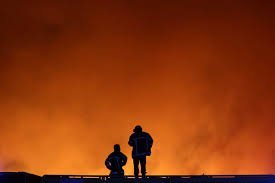
Facing the Heat: Navigating Wildfire Season in Canada
In recent years, wildfires (often referred to as incendies in French-speaking regions) have become an increasingly pressing concern across the Canadian landscape. From the boreal forests of Alberta to the rugged terrain of British Columbia and Quebec, the intensity and frequency of these fires pose significant risks to communities, wildlife, and public health.
Whether you live in a rural area or a city affected by smoke, being prepared is the most effective way to mitigate the impact of forest fires. In this guide, we explore how to protect your property and ensure your family’s safety.
1. Implementing FireSmart Principles
Reducing the amount of combustible material around your home can significantly decrease the chance of a wildfire igniting your property. This approach, known as FireSmart Canada, focuses on creating a “defensible space.”
- Clean your gutters: Remove dry leaves and pine needles that can act as fuel for embers.
- Manage vegetation: Keep grass short and prune low-hanging tree branches.
- Strategic landscaping: Use fire-resistant plants and keep firewood stored far away from the main structure of your home.
2. Creating an Emergency Evacuation Plan
When a wildfire approaches, every second counts. A well-thought-out evacuation plan can save lives. Ensure every member of your household knows the primary and secondary exit routes from your neighborhood.
Your Emergency Kit should include:
- Important documents (IDs, insurance policies, passports) in a waterproof container.
- A three-day supply of non-perishable food and water.
- Prescription medications and a basic first-aid kit.
- Portable power banks and a battery-operated radio.
3. Protecting Your Health from Wildfire Smoke
Even if the flames are miles away, the air quality can plummet. Wildfire smoke contains fine particulate matter that can penetrate deep into the lungs, affecting those with asthma or cardiovascular conditions.
To stay safe, it is recommended to monitor the Air Quality Health Index (AQHI) and keep windows closed during peak smoke events. Using a high-efficiency particulate air (HEPA) filter in your home can also significantly improve indoor air quality.
4. Staying Informed with Reliable Sources
Avoid the spread of misinformation during an emergency. Rely on official government channels and recognized environmental agencies for real-time updates on fire boundaries and evacuation orders.
For the most accurate and up-to-date information, we recommend visiting Natural Resources Canada and Public Safety Canada.
Final Thoughts on Community Resilience
Wildfires are a natural part of the Canadian ecosystem, but with climate change, their patterns are shifting. By adopting proactive prevention measures and staying informed, Canadians can build more resilient communities capable of weathering the storm—and the fire.



