
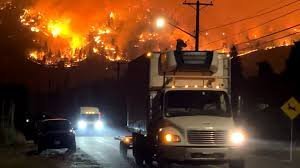
Wildfire Preparedness in Canada: Everything You Need to Know to Stay Safe
As summers in Canada become increasingly intense, the threat of wildfires has moved from a distant concern to a pressing reality for many communities. From the rugged terrain of British Columbia to the vast forests of Alberta and Quebec, wildfires can spread with devastating speed, leaving homeowners and residents scrambling for safety.
Understanding the risks and taking proactive measures is the best way to protect your property, your loved ones, and the environment. In this comprehensive guide, we explore how to prepare for wildfire season and the steps you can take to mitigate the danger.
Why are Wildfires Increasing in Canada?
Wildfires are a natural part of the Canadian ecosystem, but their frequency and intensity have surged in recent years. Experts point to a combination of factors, including prolonged droughts, higher average temperatures, and the accumulation of dry organic matter in forests. These conditions create a “tinderbox” effect, where a single spark from lightning or human activity can ignite a massive blaze.
For more scientific data on how climate patterns affect these events, you can visit the Natural Resources Canada portal.
Essential Wildfire Prevention Tips
Preventing a fire is far easier than fighting one. Whether you live in an urban interface or a rural area, these steps can significantly reduce the risk of ignition:
- n
- Manage Your Land: Remove dead leaves, dry grass, and fallen branches from around your home. This creates a “defensible space” that can slow down an approaching fire.
- Careful Fire Usage: Always ensure campfires are completely extinguished. Use a shovel to stir the embers and douse them with water until they are cold to the touch.
- Maintain Your Equipment: Ensure that lawnmowers, chainsaws, and other machinery do not create sparks when operating in dry grass.
- Dispose of Cigarettes Properly: Never toss cigarette butts out of car windows or on the ground.
Creating Your Emergency Evacuation Plan
When a wildfire warning is issued, every second counts. Having a pre-established plan can reduce panic and save lives. Consider the following checklist:
The “Grab-and-Go” Bag
Prepare an emergency kit that includes:
- n
- Important documents (ID, insurance policies, passports) in a waterproof container.
- A three-day supply of non-perishable food and water.
- First-aid supplies and essential medications.
- Portable chargers, flashlights, and extra batteries.
- Basic hygiene products and a change of clothes.
Communication Strategy
Ensure every family member knows the primary and secondary evacuation routes. Designate a meeting point outside the danger zone and keep an updated list of emergency contacts.
Protecting Your Health from Wildfire Smoke
Even if the flames are miles away, wildfire smoke can severely impact air quality across provinces. Smoke contains fine particulate matter that can penetrate deep into the lungs, affecting those with asthma or cardiovascular conditions.
To stay healthy during smoke events:
- n
- Stay indoors as much as possible and keep windows closed.
- Use an air purifier with a HEPA filter to maintain indoor air quality.
- If you must go outside, wear an N95 mask to filter out harmful particles.
- Monitor local air quality indices via official government health channels.
For official guidelines on staying safe during emergencies, refer to the Get Prepared Canada website.
Conclusion
Wildfires are a formidable force, but through education, preparation, and vigilance, we can reduce their impact. By maintaining our properties and having a clear emergency plan, we contribute to the resilience of our communities. Stay informed, stay prepared, and stay safe.



