
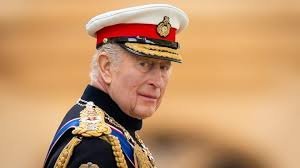
A Surprising Shift in Royal Residency
For nearly two centuries, Buckingham Palace has stood as the iconic primary residence of the British monarch. However, in a move that signals a shift in royal tradition, King Charles III has decided that he will not move back into the palace once its massive 10-year refurbishment is complete next year.
Instead, the King will continue to make Clarence House London his primary home. This decision comes after a staggering £369 million renovation of Buckingham Palace, aimed at updating antiquated electrical wiring, plumbing, and heating systems that had seen better days.
Buckingham Palace: From Home to ‘Monarchy HQ’
While the King may not sleep there every night, Buckingham Palace isn’t losing its prestige. James Chalmers, the King’s treasurer, has clarified that the palace will remain the central hub for official state business.
- n
- Ceremonial Hub: It will continue to be the primary venue for receiving foreign dignitaries and hosting official functions.
- Symbol of Sovereignty: The sovereign’s standard will still fly proudly from the roof whenever His Majesty is in the city.
- Public Access: Officials have promised greater public access to the landmark, which already attracts around 700,000 visitors annually.
Interestingly, neither King Charles nor the late Queen Elizabeth II had stayed overnight at the palace since 2019, suggesting that the preference for the more intimate setting of Clarence House London had already taken root long before the renovations ended.
A New Chapter of Financial Transparency
Alongside the housing news, the royal household has made a significant move toward transparency. In an unprecedented disclosure, it was revealed that King Charles paid £12.9 million ($17.04 million) in tax for the 2024/25 period, placing him among the top 100 taxpayers in Britain.
While the British monarch is not legally required to pay income or inheritance tax, King Charles has followed the precedent set by his mother, voluntarily paying taxes on his private income. This income is largely derived from the Duchy of Lancaster, which provided £25.2 million in 2025/26.
The Sovereign Grant and Future Cuts
The Crown also receives the Sovereign Grant for staff, travel, and palace maintenance. In a surprising move to reduce the burden on taxpayers, the King has requested that this funding be cut to £100 million starting in 2027/28, where it will remain until 2032.
The Next Generation: Prince William’s Contribution
The trend of financial openness extends to the heir to the throne. Prince William reported paying £7.76 million in tax for 2024/25. Furthermore, he has demonstrated a commitment to community support by directing £1.5 million in rent from a closed prison back into local community projects.
This push for transparency comes amidst ongoing public scrutiny regarding how the royal family manages its vast estates and rentals. By opening the books, the monarchy hopes to strengthen its bond with the public in a modern, democratic era.
For more updates on the British Monarchy and their evolving role in society, stay tuned to our latest reports.



