
Understanding the Heat Index: Why It Feels Hotter Than the Thermometer Says
During the peak of summer, you might see a forecast predicting 95°F, but the moment you step outside, it feels like you’ve walked into a sauna. This isn’t just your imagination—it’s the heat index at work. But what exactly is a heat index, and why does it matter for your health and safety?
What is a Heat Index?
The heat index is a measure of how hot it actually feels to the human body when relative humidity is combined with the air temperature. Essentially, it is the “apparent temperature.”
Our bodies cool down primarily through the evaporation of sweat. However, when the humidity is high, the moisture in the air prevents sweat from evaporating efficiently. Because the sweat stays on your skin, your body cannot cool itself down as quickly, making the air feel significantly hotter than the actual temperature recorded by a thermometer.
Real-World Example: The Florida Heat Wave
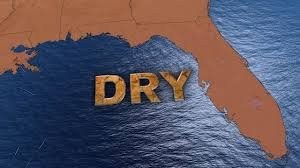
To put this into perspective, consider a typical summer day in Central Florida. When air temperatures surge into the mid-to-upper 90s, a high level of humidity can easily push the heat index into the 100-105°F range.
In these conditions, the risk of heat-related illnesses increases. When an upper-level high-pressure system settles over a region, it often suppresses cloud formation and rain, leading to prolonged periods of intense heat and humidity without the relief of afternoon thunderstorms.
How to Stay Safe During High Heat Index Days
When the heat index climbs, it is crucial to take precautions to avoid heat exhaustion or heatstroke. Here are a few expert tips:
- n
- Hydrate Constantly: Drink plenty of water even if you don’t feel thirsty.
- Seek Shade and AC: Limit outdoor activities during the peak sun hours (usually 10 AM to 4 PM).
- Wear Lightweight Clothing: Choose light-colored, loose-fitting fabrics that allow your skin to breathe.
- Monitor Weather Alerts: Keep an eye on updates from authoritative sources like the National Oceanic and Atmospheric Administration (NOAA) to stay informed about heat advisories.
The Role of Atmospheric Pressure
Weather patterns, such as high-pressure systems, play a major role in these temperature spikes. A strong high-pressure system can act like a “lid,” trapping heat and moisture near the surface and pushing away the rain-bearing clouds that would otherwise cool the environment. Once this system breaks down, rain chances typically increase, bringing a much-needed drop in the heat index.
Whether you are living through a Florida summer or traveling to a humid climate, understanding the heat index is the first step in staying cool and healthy during the hottest months of the year.



