
The High Stakes of Modern Warfare: Canada Under Fire from Moscow
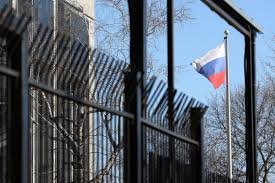
In a sharp escalation of diplomatic rhetoric, the Russian Foreign Ministry has officially labelled Canada a warmonger. The spark for this accusation? A strategic agreement to co-produce cutting-edge drone technology to support Ukraine’s defence efforts. This move marks a significant shift in Canada’s involvement in the conflict, moving beyond financial aid to direct military-industrial collaboration.
The Drone Deal: Hamilton’s Role in Global Defence
The controversy centers on a partnership between the Ukrainian company Airlogix and Sentinel R&D, a drone manufacturer based in Hamilton, Ontario. Under this joint venture, drone systems will be produced on Canadian soil and shipped directly to the Ukrainian military.
Defence Minister David McGuinty, who signed the agreement at the CANSEC defence trade show, dismissed the Kremlin’s backlash as “not unexpected.” He emphasized that Global Affairs Canada and its allies are simply responding to the needs of a nation under attack, asserting that NATO members are uniting to assist a country in desperate need of resilience.
Russia’s Warning: A “Appropriate Response”
Maria Zakharova, the spokesperson for the Russian Foreign Ministry, did not mince words during a press briefing in Moscow. She claimed that Canada has cast aside all pretenses of being peace-loving, revealing its “true nature” as a warmonger seeking to fuel a bloody conflict.
The threats from Moscow have taken a menacing turn, with Zakharova vowing to:
- n
- Account for the drone deal in Russia’s military and political planning.
- Potentially publish the addresses of Canadian production facilities involved in the project.
- Implement an “appropriate response” to what they perceive as a significant escalation.
Why Drones Are the New Front Line
Ukraine has revolutionized the use of unmanned aerial vehicles (UAVs), employing them to strike deep into Russian territory, including energy sites and naval bases. For Canada, this deal is not just about military support; it is a strategic opportunity to:
- Enhance Domestic Capacity: Increasing Canada’s own military manufacturing resilience.
- Tech Sharing: Learning cutting-edge drone tactics from a nation using them in real-time combat.
- Strategic Alliances: Strengthening ties with NATO and G20 partners.
The “Middle Power” Dilemma
The tension highlights the precarious position of “middle powers” in the 21st century. Recent discourse suggests that countries like Canada must band together to negotiate fair deals with global superpowers or risk becoming irrelevant—or, as some have put it, “being on the menu.”
While critics within Canada debate the use of taxpayer funds and the risks of provoking a nuclear-armed state, the government remains steadfast. For many, the label of warmonger is a badge of irony, given that the conflict was initiated by Russia’s invasion of sovereign Ukrainian territory.
As drone technology continues to reshape the battlefield, Canada’s decision to integrate its industrial base with Ukraine’s frontline experience may well define its security posture for the next decade.



