
Viewing August 2026 Lunar Eclipse: Your Ultimate Guide to the Celestial Show
There is something profoundly humbling about looking up at the night sky and witnessing the clockwork of the universe in motion. For astronomy enthusiasts and casual stargazers alike, the viewing of the August 2026 lunar eclipse is marking its place as one of the most anticipated celestial events of the year. Whether you are a seasoned pro with a telescope or someone who simply enjoys a moonlit walk, this event promises a breathtaking spectacle.
What Exactly is the August 2026 Lunar Eclipse?
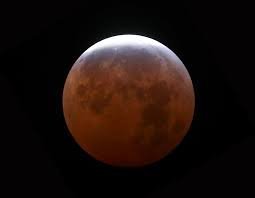
A lunar eclipse occurs when the Earth moves directly between the Sun and the Moon, casting its shadow across the lunar surface. The event scheduled for August 2026 is a partial lunar eclipse. Unlike a total eclipse, where the moon turns a deep blood-red, a partial eclipse means only a portion of the moon will enter the Earth’s darkest shadow (the umbra), creating a stunning “bite” taken out of the moon’s silhouette.
When and Where to Watch
To make the most of viewing the August 2026 lunar eclipse, timing and location are everything. While the visibility varies by hemisphere, the event will be primarily visible across parts of Europe, Africa, Asia, and Australia.
- n
- Date: August 28, 2026.
- Peak Visibility: Check your local time zones, as the peak occurs during the late-night and early-morning hours for most affected regions.
- Ideal Location: Find a spot far away from city lights (light pollution) to ensure the contrast between the moon and the dark sky is sharp.
n
Pro Tips for the Best Viewing Experience
One of the best things about a lunar eclipse is its accessibility. Unlike solar eclipses, you do not need special filtered glasses to protect your eyes. Here is how to optimize your experience:
1. Use Binoculars or a Telescope
While the eclipse is perfectly visible to the naked eye, using binoculars or a small telescope allows you to see the transition of the shadow across the lunar craters in stunning detail.
2. Track the Event in Real-Time
Utilize astronomical apps or websites like NASA’s Moon portal to get precise timings for the start, peak, and end of the partial eclipse.
3. Capture the Moment
If you are into astrophotography, use a tripod to avoid blur. A long focal length lens will help you bring the moon closer and capture the subtle color changes as the Earth’s shadow creeps across the surface.
Why This Event Matters
Beyond the visual beauty, tracking these events helps scientists understand the Earth’s atmosphere and the orbital mechanics of our solar system. For the rest of us, it’s a reminder of our place in a vast, orbiting dance of planetary bodies.
Mark your calendars now for August 2026. The cosmos is putting on a show, and you won’t want to miss a single second of it!



