
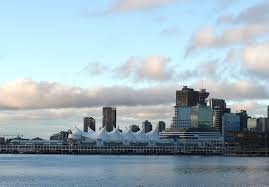
Understanding the Vancouver Weather: More Than Just Rain
If you are planning a visit to the West Coast or moving to British Columbia, the first thing you’ll hear about is the Vancouver weather. Known for its temperate rainforest climate, Vancouver offers a stunning blend of oceanic and mountain influences that make every season unique.
While the city is famous for its precipitation, it is also blessed with some of the most mild winters in Canada. Let’s dive into what you can actually expect throughout the year.
The Four Seasons in Vancouver
Vancouver’s climate is characterized by mild temperatures and significant rainfall, but each season brings its own charm:
- n
- Spring (March to May): A period of awakening. Temperatures begin to rise, and the city bursts into bloom. Expect a mix of sunny days and frequent showers.
- Summer (June to August): The gold standard of BC weather. Summers are typically warm, dry, and sunny, making it the perfect time for hiking in the North Shore mountains or lounging at English Bay.
- Autumn (September to November): A breathtaking transition. The foliage turns vibrant gold and red, though this is when the rainy season typically begins to ramp up.
- Winter (December to February): Mild compared to the rest of Canada. While it rarely stays freezing for long in the city, snow is common in the mountains, and rain is the dominant feature in the downtown core.
Surviving “Raincouver”: Tips for the Wet Season
Locals jokingly call the city “Raincouver” for a reason. Between October and April, rainfall is frequent. To navigate this like a pro, remember these essential tips:
First, invest in a high-quality, waterproof shell. While umbrellas are common, the wind in Vancouver can often render them useless. A breathable, waterproof jacket is the true local uniform. Second, embrace the cozy atmosphere of the city’s numerous coffee shops and museums during a downpour.
When is the Best Time to Visit Vancouver?
Depending on your goals, the best time to visit varies:
- For Outdoor Enthusiasts: July and August offer the most stable weather for hiking and biking.
- For Budget Travelers: Late spring or early autumn provide a great balance of manageable weather and lower accommodation costs.
- For Skiing and Snowboarding: January and February are peak months for hitting the slopes at Grouse Mountain or Whistler.
For real-time updates and precise forecasts, we highly recommend checking Environment Canada, the gold standard for meteorological data in the region.
Final Thoughts on Vancouver’s Climate
Despite the reputation for rain, the Vancouver weather is what keeps the city so lush and green. Whether you are chasing the summer sun or enjoying a misty winter walk through Stanley Park, being prepared is the key to enjoying everything the Pacific Northwest has to offer.



