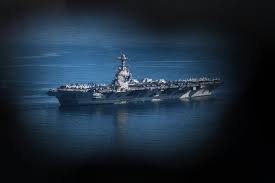
USS Gerald R. Ford Aircraft Carrier Fire: A Developing Situation
On [Date – Replace with actual date], a fire broke out aboard the USS Gerald R. Ford (CVN-78), the U.S. Navy’s newest and most advanced aircraft carrier. This incident has raised concerns about the ship’s operational readiness and sparked investigations into the cause. This article provides the latest updates, explores potential causes, and analyzes the impact of the fire on U.S. naval operations.
What Happened? Initial Reports & Extent of the Damage
The fire originated in [Specific Location – Replace with actual location] and was quickly contained by the ship’s damage control teams. Initial reports indicate that the fire involved [Materials Involved – Replace with actual materials]. While the Navy has confirmed the fire was extinguished, the extent of the damage is still being assessed. Thankfully, there have been no reported fatalities or serious injuries. However, the incident highlights the inherent risks associated with operating a complex warship.
Possible Causes of the USS Gerald R. Ford Fire
At this stage, the exact cause of the fire remains under investigation. Several possibilities are being considered, including:
- **Electrical Malfunction:** Given the ship’s advanced electrical systems, a short circuit or equipment failure is a strong possibility.
- **Maintenance Issues:** Inadequate maintenance or improperly stored materials could have contributed to the incident.
- **Human Error:** While less likely, the possibility of human error during operations or maintenance cannot be ruled out.
The Navy Safety Center will conduct a thorough investigation to determine the root cause and prevent similar incidents from occurring in the future. Understanding the cause is crucial for improving safety protocols and ensuring the reliability of the USS Gerald R. Ford.
Impact on Naval Operations & Deployment Schedule
The USS Gerald R. Ford has faced numerous challenges since its commissioning, including delays and cost overruns. This fire adds another layer of complexity to its operational history. The incident is likely to impact the ship’s deployment schedule and may require extensive repairs. The carrier was expected to participate in upcoming naval exercises, but those plans are now uncertain. The U.S. Navy relies heavily on its aircraft carriers for global power projection, and any disruption to their availability is significant. You can find more information about the US Navy’s carrier operations at the [U.S. Navy Official Website](https://www.navy.mil/).
The USS Gerald R. Ford: A Technological Marvel
The USS Gerald R. Ford represents a significant leap forward in aircraft carrier technology. It features a new electromagnetic aircraft launch system (EMALS) and advanced arresting gear (AAG), designed to increase flight deck efficiency and reduce wear and tear on aircraft. The ship also boasts a more efficient power generation system and improved command and control capabilities. Despite these advancements, the recent fire underscores the importance of rigorous testing and maintenance to ensure the reliability of these complex systems. For a detailed overview of the ship’s technology, see [Naval Technology’s USS Gerald R. Ford Profile](https://www.naval-technology.com/projects/uss-gerald-r-ford/).
Ongoing Updates & Future Outlook
This is a developing story, and we will continue to provide updates as more information becomes available. The Navy is committed to transparency and will likely release a more detailed report on the incident in the coming weeks. The USS Gerald R. Ford remains a vital asset to the U.S. Navy, and its eventual return to full operational capability is crucial for maintaining maritime security.