
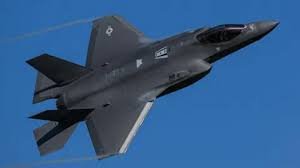
Tensions Flare: US Launches Strategic Strikes on Southern Iran
In a significant escalation of Middle Eastern tensions, the United States has announced a series of precision strikes targeting missile sites and naval vessels in southern Iran. According to US Central Command, the operations focused on Iranian boats attempting to plant mines, with the military framing the action as a necessary measure of “self-defense” to safeguard American troops.
Captain Tim Hawkins, a spokesperson for Central Command, emphasized that while the US continues to defend its forces, it is exercising restraint during the currently fragile ceasefire. The strikes primarily targeted the region near Bandar Abbas, a strategic port city and home to a critical Iranian naval base situated on the Strait of Hormuz.
The Diplomatic Deadlock: Is a Deal Still Possible?
The military action comes at a precarious moment for diplomacy. While reports frequently circulating on global news outlets like Al Jazeera highlight the volatility of the region, US Secretary of State Marco Rubio suggests that a diplomatic resolution is not yet off the table. Rubio pointed to ongoing discussions between Iran’s top negotiator and Qatar’s prime minister as a sign of potential progress.
However, the road to peace is riddled with obstacles. Iranian Foreign Ministry spokesman Esmail Baqai has cautioned that while some progress has been made, a formal agreement is “not imminent.” The current negotiations revolve around a critical memorandum of understanding that includes:
- n
- A 60-day extension of the current ceasefire.
- The full reopening of the Strait of Hormuz to international shipping.
- A framework for further negotiations regarding Iran’s nuclear ambitions.
The Nuclear Ultimatum and Global Security
One of the most contentious points remains Iran’s nuclear programme. Intelligence reports suggest Iran possesses approximately 440kg of uranium enriched to 60% purity—dangerously close to the 90% weapons-grade threshold. President Donald Trump has issued a stern ultimatum: the enriched uranium must be turned over to the US or destroyed in place.
Adding to the complexity, CBS News and the BBC report that Iran’s Supreme Leader, Mojtaba Khamenei, may be hiding in an undisclosed location after being injured in a previous strike. This communication gap is believed to be significantly slowing the pace of diplomatic envoy talks.
Economic Ripples and Unexpected Twists
The global economy remains on edge, as any closure of the Strait of Hormuz historically sends oil prices soaring. The US Navy’s attempt to blockade Iranian ports, countered by Iran’s control over Gulf shipping, creates a high-stakes environment for global trade.
In a surprising diplomatic side-note, Mexico’s President Claudia Sheinbaum has agreed to host Iran’s World Cup training base, after the United States declined to host the Iranian team. This move underscores the deep diplomatic rift and the unconventional ways nations are navigating this conflict.
For more real-time updates on geopolitical conflicts and international security, staying tuned to authoritative sources like the Reuters News Agency is essential for understanding the evolving landscape of the Middle East.



