
Tensions Flare: US Launches Retaliatory Strikes on Iranian Targets
The geopolitical landscape in the Middle East has shifted once again. Following what President Donald Trump described as a “foolish violation” of a standing truce, the US military has conducted targeted strikes on Iranian facilities. This escalation comes in the wake of a drone attack on a commercial cargo ship in the strategically vital Strait of Hormuz, sparking fears of a wider conflict.
The Spark: Attack on the Ever Lovely
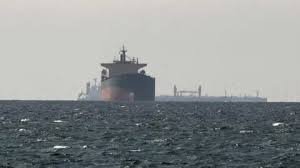
The crisis was ignited on Thursday when the Ever Lovely, a Singapore-flagged cargo vessel, was struck by a projectile. According to the International Maritime Organization (IMO), the incident has had immediate humanitarian consequences, forcing the pause of a critical evacuation plan for over 11,000 sailors currently stranded in the region.
While the ship’s owner, Evergreen, confirmed that the crew and cargo remain safe, the US Central Command (Centcom) viewed the act as an unwarranted aggression against commercial shipping. In response, the US military targeted:
- n
- Missile and drone storage facilities.
- Coastal radar positions.
- Strategic military infrastructure along the coast.
A Fragile Ceasefire in Jeopardy
This military action threatens to dismantle a 14-point memorandum of understanding (MOU) signed on June 17, which was intended to end hostilities and ensure the safe, toll-free passage of commercial vessels for 60 days.
The narrative, however, differs sharply between the two powers. While the US asserts that Iran violated the ceasefire, Tehran’s Islamic Revolutionary Guard Corps (IRGC) claims the cargo ship was using an unauthorized route. The IRGC has since retaliated against US positions, warning that any further aggression will be met with a “more extensive” response.
Global Economic Impact and the Oil Crisis
The Strait of Hormuz is more than just a waterway; it is a global economic artery. The instability in this region has immediate repercussions for Canada and the rest of the world, primarily through global oil prices.
Historically, whenever this corridor is threatened, we see:
- Spikes in Energy Costs: A sudden jump in crude oil and gas prices due to supply chain disruptions.
- Commodity Shortages: Delays in the shipment of essential goods, including fertilizers, which impact global agriculture.
- Maritime Law Disputes: Ongoing debates over whether Iran can legally charge fees or “tolls” for transit, a move condemned by the US as a violation of international maritime law.
What Lies Ahead?
With Vice-President JD Vance stating that “violence will be met with violence,” and Iranian officials claiming the US has acted recklessly during negotiations, the situation remains volatile. While some diplomatic channels remain open in Muscat, Oman, the statement from Iran’s chief negotiator, Mohammed Bagher Ghalibaf, suggests that the management of the Strait of Hormuz will “never go back to the way it was before the war.”
As the world watches, the balance between diplomatic resolution and military escalation hangs by a thread, with the global economy waiting to see if the 14-point agreement can be salvaged or if a new era of conflict has begun.



