
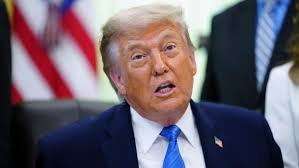
Tensions Reach Boiling Point: US Resumes Strikes Against Iran
The geopolitical landscape of the Middle East has shifted violently once again. In the latest US and Iran news, President Donald Trump has authorized a new wave of military strikes against multiple targets within Iran. This escalation comes after a period of fragile negotiations that the US administration now describes as insufficient and slow.
According to US Central Command (CENTCOM), these operations are framed as “self-defense strikes” in response to what they term “Iran’s unwarranted and continued aggression.” The catalyst for the latest surge in hostilities was the downing of a US Army Apache helicopter near the Strait of Hormuz, an event that President Trump cited as justification for the renewed military campaign.
Strategic Targets and the Controversy of Civilian Infrastructure
One of the most contentious aspects of the current conflict is the nature of the targets being hit. While Defense Secretary Pete Hegseth has emphasized that the US is targeting “key facilities” to undermine Iranian capabilities, reports from the ground suggest a more complex reality.
- n
- Water Infrastructure: Iranian state media reported the destruction of two concrete water-storage reservoirs in the Bamani district, potentially affecting 20,000 citizens.
- Precision Weaponry: Experts analyzing debris suggest the use of GBU-39 precision-guided munitions, high-tech bombs produced in the United States.
- War Crime Debate: The potential targeting of water and electrical infrastructure has sparked an international debate regarding the Geneva Convention and the legality of striking civilian life-support systems.
The Battle for the Strait of Hormuz and Global Oil
Beyond the airstrikes, a shadow war is being fought over the Strait of Hormuz, one of the world’s most critical oil chokepoints. President Trump recently revealed a “secret mission” designed to protect commercial tankers and ensure the flow of oil to the open market.
Trump claims that US control of the Strait has prevented oil prices from skyrocketing to $250 per barrel, keeping them closer to the $85-$90 range. However, this blockade has not been without friction. India has formally protested after a US airstrike disabled an Indian-crewed tanker, the M/T Settebello, leading to the disappearance of several crew members.
Regional Domino Effect: Lebanon and the Gulf States
The conflict is not contained within Iran’s borders. The violence is intrinsically linked to the ongoing struggle between Israel and Hezbollah in Lebanon. While Israel continues to strike Hezbollah infrastructure, Iranian President Masoud Pezeshkian has characterized the US threats against critical infrastructure as a “sign of helplessness.”
Interestingly, Iran’s retaliatory strikes have been selective. While bases in Kuwait and Bahrain were targeted due to their role as US logistical hubs, other allies like Saudi Arabia, Qatar, and the UAE were notably spared, suggesting a calculated diplomatic effort by Tehran to avoid a total regional collapse.
Is Diplomacy Still an Option?
Despite the bombs and threats, a sliver of diplomatic hope remains. A Qatari delegation recently arrived in Tehran to attempt to bridge the gaps between Washington and Tehran. The goal is to revive a diplomatic process that could end what Iran describes as a “U.S.-imposed war.”
Whether these negotiations can outpace the military escalation remains to be seen. As the US maintains its pressure and Iran vows resilience, the world watches closely to see if the path leads toward a historic deal or a full-scale regional war.
For more real-time updates on global security and international relations, follow the latest reports from BBC News and other authoritative global sources.



