
US Air Defense Crisis: Secretary Pete Hegseth Denies Critical Munition Shortages
The tension between official government narratives and military intelligence is reaching a breaking point. Recent reports suggest that the United States may be facing a dangerously low supply of air defence interceptors following five months of conflict with Iran. While experts warn of a vulnerability gap, Secretary of Defense Pete Hegseth and the White House are firmly pushing back against these claims.
The Official Stance: Strength and Readiness
President Donald Trump and the Pentagon have been quick to dismiss reports that offensive and defensive weapon stockpiles have plummeted. In a statement to Al Jazeera, President Trump asserted that the U.S. maintains more munitions than any other nation, criticizing previous administration policies regarding aid to Europe and Ukraine.
Adding to this narrative, Pete Hegseth took to social media to swiftly contest reports from major news outlets. When CNN reported that the U.S. military had depleted roughly 80% of its THAAD (Terminal High Altitude Area Defense) interceptors, Hegseth responded on X, calling the figures “not true” and expressing his disapproval of the reporting.
Pentagon spokesman Sean Parnell echoed this sentiment, stating that the American military remains the most powerful globally, possessing the deep arsenal required to protect national interests at any time and place.
The Expert Warning: A “Dangerously Low” Reality
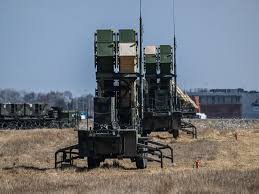
Despite the official denials, data from the Center for Strategic and International Studies (CSIS) paints a far more concerning picture. Their analysis suggests a significant depletion of both Patriot and THAAD interceptors.
- n
- Patriot Interceptors: Experts estimate that only about a third of the original stockpile remains.
- THAAD Systems: Approximately half of the interceptors have been utilized.
- Offensive Capabilities: Reuters and CBS News report that the majority of Army Tactical Missile Systems (ATACMS) and Precision Strike Missiles (PrSM) have already been spent.
According to retired US Marine Corps colonel Mark Cancian, the shortage of interceptors is particularly critical because there are no viable substitutes. “If we run out of Patriots, then the missiles get through,” Cancian warned.
Strategic Implications: From Iran to China
The debate over munition levels isn’t just about numbers; it’s about global deterrence. The vulnerability was highlighted on July 17, when Iranian missiles bypassed air defence systems at the Muwaffaq Salti airbase in Jordan, resulting in the deaths of three US soldiers.
Moreover, military strategists argue that every interceptor used against Iran is one less available to deter other global powers, most notably China. This has reportedly left the Joint Staff feeling nervous about the U.S. ability to maintain a credible deterrent in the Indo-Pacific region.
Global Ripple Effects and the “Time” Problem
The shortage is also creating a domino effect among U.S. allies. While the U.S. continues to facilitate multi-billion dollar sales of Patriot missiles to Gulf nations like Kuwait and Qatar, there are growing concerns that the U.S. will eventually prioritize its own stockpiles over international deliveries.
In Ukraine, President Volodymyr Zelenskyy has repeatedly warned of a dwindling supply of interceptors to block Russian strikes. Despite requests to produce these weapons locally, the bottleneck remains production capacity.
The Bottom Line
While the Trump administration has requested significant funding—including $95 billion in the Fiscal Year 2027 defence budget—to replenish stores, experts argue that money is not the primary obstacle. As Mark Cancian aptly put it: “Money will not be a problem. The problem is time.”
Whether the assertions of Pete Hegseth reflect a hidden reserve of munitions or a strategic effort to project strength remains to be seen, but the gap between official reports and strategic analysis continues to widen.



