
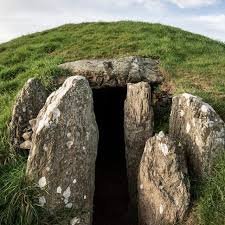
A Portal to Prehistory: The Discovery of a Monumental Dolmen in Malaga
Archaeology often feels like piecing together a cosmic puzzle, but every so often, a discovery emerges that provides a clear, vivid picture of the past. Recently, researchers in Malaga, Spain, uncovered a breathtaking stone-built monument tomb that is not only 5,000 years old but remarkably well-preserved.
Measuring an impressive 42 feet in length, this structure is a prime example of a dolmen—a megalithic stone tomb. According to Serafin Becerra, a professor at the University of Cádiz, this site could be one of the most complete and monumental dolmens found in the entire Andalusia region.
What Makes This Ancient Tomb So Special?
It isn’t just the size of the tomb that has historians buzzing; it’s the level of preservation. The site features orthostat slabs (massive upright stones) standing over six feet tall, creating a complex series of internal compartments. This architectural sophistication offers a rare glimpse into the funerary practices of the third millennium B.C.E. across the southern Iberian Peninsula.
Inside these chambers, researchers found more than just remains. The tomb served as a collective burial ground, containing several “prestigious” container rooms filled with a wealth of artifacts, including:
- n
- Exotic Materials: Rare finds of ivory and amber.
- Marine Treasures: Seashells found far inland, indicating sophisticated long-distance trade networks.
- Advanced Weaponry: Sophisticated flint pieces, including arrowheads, large blades, and an exceptional halberd (a heavy, two-handed axe).
Decoding Ancient Beliefs and Lifestyles
For project co-director Eduardo Vijande, the value of this ancient tomb lies in its ability to tell a story. The presence of high-value goods suggests that these communities had a structured social hierarchy and a deep spiritual connection to their deceased.
Furthermore, the discovery of seashells in an inland area is a critical clue. As Juan Jesús Cantillo of the University of Cádiz notes, this suggests the sea was viewed as a symbol of prestige and that these prehistoric people were connected to vast exchange networks, trading goods across great distances.
The Global Legacy of Dolmens
While this find in Spain is extraordinary, the practice of building megalithic tombs was a global phenomenon. These structures weren’t always just for the dead; some served as territorial markers, ritual sites, or even shelters.
To put this discovery into perspective, consider other famous sites:
- The Dolmen of Guadalperal: Often called the “Spanish Stonehenge,” this 7,000-year-old site is known for being partially submerged in water.
- Arthur’s Stone: Located in England, this 5,000-year-old monument features stones weighing an estimated 27 tons.
For those interested in how these sites are preserved for future generations, the UNESCO World Heritage Centre provides extensive resources on protecting megalithic monuments worldwide. You can also find more detailed archaeological reports on similar finds via Live Science.
This discovery in Malaga reminds us that beneath our feet lie stories waiting to be told—stories of trade, faith, and the enduring human desire to be remembered.



