
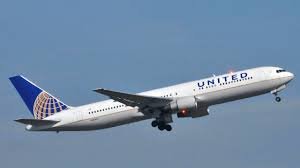
United Flight 236: Why a Bluetooth Device Forced a Mid-Air Turnaround
Imagine being 90 minutes into a flight to a sunny Spanish getaway, only to be told that the aircraft must immediately turn around and return to the United States. This was the reality for 190 passengers and 12 crew members aboard United Flight 236, traveling from Newark Liberty International Airport to Palma de Mallorca.
What started as a routine journey quickly escalated into a high-tension security incident, proving that in the world of aviation, even a small digital detail can lead to massive disruptions.
The Catalyst: A Bluetooth Device Name
According to reports and air traffic control communications, the crisis began not with a physical threat, but with a digital one. Flight attendants began instructing passengers to disable their Bluetooth connections, a request that grew increasingly urgent as the flight progressed.
The tension peaked when it was discovered that a Bluetooth-enabled device on board had a discoverable name containing the word “bomb.” In an industry where security is paramount, such a keyword is an immediate red flag that cannot be ignored.
Passengers reported that the crew made several announcements, warning that the flight could not safely continue unless the source of the device was identified and the issue resolved. When the situation remained ambiguous, the decision was made to turn the Boeing 767 around over the Atlantic Ocean.
Safe Landing and Security Protocols
Upon returning to Newark Liberty International Airport, the aircraft was met by law enforcement and security personnel. The protocol was rigorous:
- n
- Passenger Evacuation: All travelers were removed from the plane, permitted to take only limited personal items.
- Security Screening: Passengers underwent re-screening before being allowed to board a replacement flight.
- Aircraft Inspection: Both the Boeing 767 and all checked luggage were subjected to exhaustive security sweeps to ensure no actual threat existed.
Ultimately, the flight did proceed to Palma de Mallorca, but only after a new crew took over and the aircraft was cleared of all concerns.
A Reminder of Aviation Security in the Digital Age
This incident highlights the sensitivity of modern aviation security. While it may seem like an overreaction to some, airlines and the TSA operate on a zero-tolerance policy regarding threats, whether they are physical or digital.
United Airlines has not yet publicly identified the passenger responsible for the device name or announced if legal penalties will be pursued. However, this event serves as a stark reminder to travelers: your digital footprint—including your device names—can have real-world consequences.
- n
- Flight: United 236 (Newark to Spain)
- Aircraft: Boeing 767
- Cause: Bluetooth device named “bomb”
- Outcome: Safe return to Newark, security sweep, flight eventually completed.



