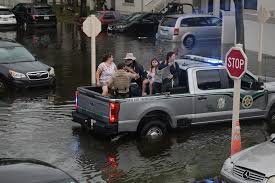
Understanding Flood Warnings: Your Essential Guide to Staying Safe and Prepared
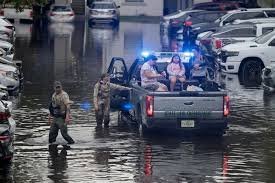
Understanding Flood Warnings: Your Essential Guide to Staying Safe and Prepared
Weather patterns are becoming increasingly unpredictable, and for many, a flood warning is one of the most stressful alerts you can receive on your phone or television. But do you know exactly what it means and, more importantly, what you should do the moment it happens?
Flooding is one of the most common and destructive natural disasters. Whether it is a slow-rising river or a sudden flash flood, knowing the difference between a “watch” and a “warning” can literally save your life.
Flood Watch vs. Flood Warning: What is the Difference?
Many people use these terms interchangeably, but in the world of meteorology, they have very different meanings:
- n
- Flood Watch: This means that conditions are favorable for flooding to occur. It doesn’t mean it will happen, but you should stay alert and be ready to act.
- Flood Warning: This is the urgent call. A flood warning means flooding is already happening or is imminent in your area. Immediate action is required.
What to Do Immediately During a Flood Warning
When a official flood warning is issued, every second counts. Follow these critical safety steps to minimize risk:
1. Move to Higher Ground
If you are in a low-lying area, move to the highest floor of your building or evacuate to higher terrain immediately. Do not wait for the water to start rising around your ankles.
2. Avoid “Turn Around, Don’t Drown”
Never attempt to drive or walk through floodwaters. As little as six inches of moving water can knock an adult off their feet, and two feet of water can sweep away most vehicles, including SUVs. For more official safety guidelines, visit the National Weather Service.
3. Disconnect Electronics
If you have time before the water enters your home, turn off electricity at the main breaker to prevent electrocution and electrical fires.
Preparing Your Emergency Flood Kit
Preparation is the best defense. You should have a “go-bag” ready at all times. Your kit should include:
- n
- Potable Water: At least one gallon per person per day for three days.
- Non-perishable Food: Energy bars, canned goods, and a manual can opener.
- First Aid Kit: Bandages, antiseptic, and essential prescription medications.
- Communication Tools: A battery-powered radio, flashlights, and extra batteries.
- Important Documents: Copies of ID, insurance policies, and birth certificates in a waterproof bag.
For a comprehensive checklist on emergency preparedness, Ready.gov provides excellent resources for families.
Post-Flood Safety: The Danger Doesn’t End with the Water
Once the water recedes, the danger isn’t over. Be cautious of the following:
- Contaminated Water: Floodwaters often contain sewage, chemicals, and debris. Avoid skin contact.
- Structural Damage: Check for cracks in foundations or sagging ceilings before entering a building.
- Electrical Hazards: Do not turn on power until a licensed electrician has inspected your home.
For support and recovery resources, the American Red Cross offers vital assistance to those affected by natural disasters.
Final Thoughts
A flood warning is a signal to stop what you are doing and prioritize your safety. By understanding the alerts, preparing your kit, and knowing the evacuation routes, you can protect yourself and your loved ones from the devastating effects of flooding.
📰 You May Also Like