
What Exactly is El Niño Weather?
When we talk about El Niño weather, we are referring to a complex climate pattern that originates in the Pacific Ocean but sends ripples across the entire globe. Technically known as the El Niño-Southern Oscillation (ENSO), this phenomenon occurs when surface waters in the central and eastern Pacific Ocean warm up significantly more than usual.
This shift in ocean temperature disrupts the atmosphere, altering wind patterns and moisture distribution. Instead of the usual trade winds blowing west, they weaken or even reverse, pushing warm water toward the Americas and changing weather systems worldwide.
How Does El Niño Affect Global Weather Patterns?
The impact of El Niño is not uniform; it creates a domino effect that varies by region. While some areas face devastating floods, others struggle with extreme drought.
- The Americas: Often experience increased rainfall and flooding in the southern United States and South America.
- Asia and Australia: These regions frequently encounter severe droughts and an increased risk of wildfires due to suppressed rainfall.
- Global Temperatures: El Niño years typically lead to a rise in average global temperatures, often contributing to record-breaking heatwaves.
The Canadian Perspective: What to Expect?
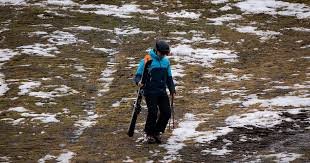
For those of us in Canada, El Niño weather typically manifests as a milder winter. While a break from the freezing cold might sound appealing, these shifts can disrupt local ecosystems and the economy.
Historically, El Niño is associated with warmer-than-average temperatures across Western Canada and the Prairies. However, it can also lead to increased precipitation along the West Coast, potentially causing landslides or flooding in British Columbia. For the east, the patterns are more variable, but generally, the overall trend leans toward a less severe winter season.
How to Prepare for Climate Shifts
Whether you are a business owner, a farmer, or a homeowner, staying informed is key to mitigating the risks associated with volatile weather patterns. Here are a few strategic steps:
- Monitor Official Forecasts: Keep a close eye on Environment and Climate Change Canada for localized alerts.
- Adapt Your Infrastructure: Ensure drainage systems are clear to handle unexpected heavy rainfall.
- Energy Planning: Anticipate changes in heating and cooling demands based on the predicted temperature swings.
Final Thoughts on Our Changing Climate
While El Niño is a natural cycle, many scientists suggest that climate change may be intensifying these events, making them more frequent or severe. Understanding the mechanics of El Niño weather is the first step toward building more resilient communities.
For a deeper dive into the science of ocean temperatures and atmospheric pressure, you can explore the comprehensive data provided by the National Oceanic and Atmospheric Administration (NOAA).



