
Ukraine’s Strategic Strikes on Russia’s Refining Capacity: A New Phase of Energy Warfare
In a calculated shift of military strategy, Ukraine has intensified its long-range drone campaign targeting Russia’s oil refining capacity. By striking the heart of Russia’s energy infrastructure, Kyiv is not only attempting to hinder the Russian military’s logistical capabilities but also aiming to cripple the economic engine that fuels the ongoing invasion.
The Strategic Logic Behind Targeting Refineries
The decision to target refineries rather than just storage tanks represents a sophisticated evolution in Ukraine’s tactical approach. While storage tanks can be refilled relatively quickly, refining units—especially the complex distillation towers—are difficult to replace and require specialized technology often subject to international sanctions.
The primary objectives of these strikes include:
- n
- Disrupting Fuel Supplies: Reducing the availability of high-octane fuel necessary for tanks, aircraft, and transport vehicles on the front lines.
- Economic Pressure: Forcing Russia to pivot from exporting refined petroleum products to importing them, thereby reducing vital foreign currency reserves.
- Psychological Impact: Demonstrating that the Russian interior is vulnerable, despite heavy air defence deployments.
Global Impact on Energy Markets
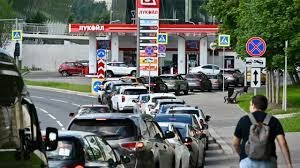
Whenever major energy hubs are compromised, the global market reacts. The strikes on Russia’s refining capacity have introduced a layer of volatility into global oil prices. While Russia remains a top crude producer, its diminished ability to refine that crude internally can lead to a surge in the price of gasoline and diesel globally.
According to analysis from the International Energy Agency (IEA), the stability of global energy markets depends heavily on the balance of refined product availability. When a major player’s capacity is hit, other global refineries must ramp up production to fill the gap, often leading to tighter margins and higher costs for consumers in North America and Europe.
Russia’s Response and Infrastructure Vulnerability
The Kremlin has attempted to downplay the damage, yet the operational reality tells a different story. The use of low-cost, long-range drones has forced Russia to redeploy air defence systems from the front lines to protect industrial centres, potentially creating openings for Ukrainian ground offensives.
Industry experts, as reported by Reuters, suggest that the lead time for importing new refining components is now significantly longer due to Western sanctions, making every successful strike a long-term blow to the Russian economy.
Looking Ahead: The Future of the Conflict
As Ukraine continues to refine its targeting capabilities, the focus on Russia’s refining capacity is likely to remain a cornerstone of its asymmetric warfare strategy. By turning Russia’s greatest economic strength—its oil—into a strategic liability, Ukraine is fighting a war of attrition that extends far beyond the trenches.
Whether these strikes will lead to a decisive shift in the conflict remains to be seen, but one thing is certain: the energy landscape of the war has changed forever.



