
Mastering the Airport: Uncovering the Secrets of TSA Screenings
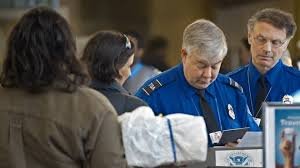
As summer approaches, many of us are dusting off our suitcases and mapping out the perfect getaway. However, for those flying through U.S. airports, the TSA (Transportation Security Administration) checkpoints can often feel like the most stressful part of the journey. From the sudden “random” pat-downs to the mystery of the conveyor belt, there is a lot happening behind the scenes.
To help you breeze through the terminal, we’ve uncovered some fascinating insights into how the TSA operates and what actually triggers those extra security measures.
The Heavy Lift: Life as a TSA Officer
While standing in line might seem tedious for passengers, the job of a TSA officer is far from sedentary. With approximately 61,000 employees managing over 906 million passengers, the physical toll is significant. In fact, TSA workers experience some of the highest rates of job-related injuries among federal employees due to the constant demand of standing for hours and handling heavy luggage.
Are “Random” Screenings Actually Random?
We’ve all been there—you’re moving along smoothly until you’re suddenly pulled aside for a more thorough search. While some selections are truly random, other factors can trigger a closer look. You might be flagged if you:
- n
- Booked a one-way ticket.
- Paid for your flight in cash.
- Have irregularities or discrepancies in your identification.
- Have a boarding pass marked with “SSSS” (Secondary Security Screening Selection).
- Exhibit rude or aggressive behaviour in the security line.
Where Do Your Confiscated Items Go?
Every month, the TSA confiscates nearly 100,000 items—ranging from oversized liquids to strangely prohibited objects. A common misconception is that officers keep these items, but they are strictly prohibited from doing so.
Instead, these items are turned over to the state. Many of these oddities eventually end up on government auction sites like GovDeals. If you realize you’ve packed something prohibited, remember that you can often leave the item in your car, give it to a non-travelling companion, or check it in your luggage.
Funding the Shield: The September 11 Security Fee
Ever wonder why there’s a small, unexplained fee on your flight ticket? That is the September 11 security fee. This mandatory charge helps fund the continuous screening process and security upgrades. By 2026, this fee is set at $5.60 per one-way trip (or $11.20 for a round trip) for flights departing from U.S. airports.
The Art of Behavior Detection
Beyond X-ray machines, the TSA employs a method called behavior detection. Officers are trained to spot physiological cues that may indicate stress or anxiety, such as:
- Excessive sweating.
- Avoidance of eye contact.
- Nervous fidgeting.
- Being overly talkative or agitated.
Rigorous Training for Maximum Safety
Becoming a Transportation Safety Officer isn’t as simple as applying for a job. It requires extensive training and supervised on-the-job experience. To maintain their certification, agents must undergo annual proficiency reviews, which include grueling image recognition tests to ensure they can spot dangerous items in complex X-ray scans.
For the most up-to-date list of prohibited items and travel tips, always check the official TSA website before heading to the airport.



