
The Battle Over the Bricks: Understanding the Trump Kennedy Center Signage Dispute
In a significant legal blow, a federal appeals court has once again declined to intervene in the ongoing Trump Kennedy Center signage dispute. The court has upheld a previous judge’s order requiring the removal of former President Donald Trump’s name from the iconic performing arts institution.
This decision marks a pivotal moment in a clash between political legacy and legal mandates, leaving the facade of the John F. Kennedy Center for the Performing Arts in a state of transition—both physically and legally.
Why the Court Rejected the Appeal
The DC US Circuit Court of Appeals dismissed arguments presented by Trump’s legal team, specifically those claiming that the removal of his name would negatively impact fundraising efforts for the center. The court was blunt in its assessment, stating that these claims were not backed by concrete evidence.
Key points from the court’s ruling include:
- n
- Lack of Evidence: The court found that the assertions regarding fundraising were merely “conclusory” and lacked specific factual support.
- Bylaw Arguments: Trump’s team argued that center bylaws might necessitate the return of contributions if the name remained off the building, but the court noted this argument was absent during the initial district court proceedings.
- Unanimous Decision: The panel, consisting of both Obama-appointed and Trump-appointed judges, reached a consensus with no dissents.
The Human Side of the Legal War
The lawsuit was spearheaded by Ohio Representative Joyce Beatty, a Democrat and ex-officio trustee. For Beatty, the ruling is a victory for the public interest. She described the previous presence of the name as a “desecration” of a memorial that belongs to all American citizens, urging the administration to comply with the law and remove the remaining construction tarps.
The “Tarp Mystery”: A Building in Limbo
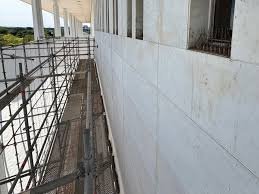
While the letters of Trump’s name have officially been removed—as confirmed by Executive Director Matt Floca—the building’s exterior remains obscured. Large scaffolding and tarps still hide the facade, leading to further legal scrutiny.
US District Judge Casey Cooper has demanded a detailed explanation from the institution regarding why these tarps remain in place weeks after the signage was taken down. This creates a strange visual paradox: the name is gone, but the building remains “hidden” from public view.
What Happens Next?
Despite this immediate setback for the former president, the legal saga isn’t entirely over. While the emergency appeal failed, a longer-term appeal of Judge Cooper’s May 29 ruling is still moving forward. This ruling not only mandated the removal of the name from the physical building and the official website but also blocked certain renovation plans.
Meanwhile, the Kennedy Center is looking toward the future. Sources indicate that plans to bolster programming are already in development, with new music sessions recently added to the Millennium Stage to keep the arts alive amidst the legal noise.
For more information on federal court proceedings and legal precedents, you can visit the United States Courts official website.



