
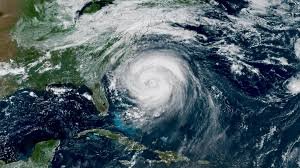
Tropical Cyclones: Understanding Nature’s Most Powerful Storms
Nature possesses an incredible ability to display raw power, and perhaps nothing exemplifies this more than the tropical cyclone. These massive weather systems are more than just “bad storms”; they are complex heat engines that redistribute energy from the tropics to the poles, often leaving a significant impact on the regions they touch.
What Exactly is a Tropical Cyclone?
At its core, a tropical cyclone is a rotating, organized system of clouds and thunderstorms that originates over tropical or subtropical waters. They are characterized by a low-pressure center, a closed low-level atmospheric circulation, and strong winds that spiral inward.
Depending on where they occur, these storms are known by different names, though the physics remains the same:
- n
- Hurricanes: Occur in the North Atlantic, central North Pacific, and eastern North Pacific.
- Typhoons: Occur in the Northwest Pacific.
- Cyclones: Occur in the South Pacific and Indian Ocean.
How Do Tropical Cyclones Form?
The birth of a tropical cyclone requires a specific set of environmental conditions. It isn’t just about wind; it’s about energy. The primary fuel for these storms is warm ocean water.
The Essential Ingredients:
- Warm Sea Surface Temperatures: Ocean water must typically be at least 26.5°C (80°F) to provide the necessary heat and moisture.
- Atmospheric Instability: The air must be unstable enough to allow warm, moist air to rise rapidly.
- Low Vertical Wind Shear: If winds change too much with height, they can “rip” the developing storm apart before it organizes.
- Coriolis Effect: This is why cyclones don’t form right on the equator; they need the Earth’s rotation to create the characteristic spin.
For a deeper dive into the science of storm tracking, you can visit the National Oceanic and Atmospheric Administration (NOAA).
The Impact of Climate Change
In recent years, scientists have observed a worrying trend: while the total number of tropical cyclones may not be increasing significantly, the intensity of the strongest storms is. As global temperatures rise, the oceans absorb more heat, providing more “fuel” for these systems.
This leads to more rapid intensification, where a storm jumps from a Category 1 to a Category 4 in a matter of hours, making evacuations and preparations much more difficult for coastal communities. According to NASA’s Climate research, the increase in sea-surface temperatures is a primary driver for these more destructive patterns.
How to Stay Safe During a Tropical Cyclone
Preparation is the key to survival. When a tropical cyclone warning is issued, follow these critical steps:
- Stay Informed: Monitor local weather reports and emergency broadcasts.
- Create an Emergency Kit: Include water, non-perishable food, flashlights, batteries, and first-aid supplies.
- Secure Your Home: Board up windows and clear gutters to prevent flooding.
- Know Your Evacuation Route: If local authorities order an evacuation, leave immediately.
Conclusion
Tropical cyclones are a reminder of the Earth’s dynamic nature. While they can be devastating, our understanding of these systems through satellite technology and meteorology continues to improve, saving countless lives every year. By respecting the power of the ocean and staying prepared, we can better navigate the challenges these storms bring.



