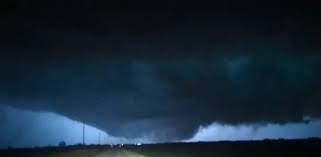
Tornadoes are rated based on the damage they cause using the Enhanced Fujita (EF) Scale. This scale ranges from EF0 (weakest) to EF5 (strongest). The EF Scale estimates wind speeds based on the degree of damage to structures and vegetation. Here’s a brief overview:
- EF0: 65-85 mph – Light damage (broken branches, damaged signs).
- EF1: 86-110 mph – Moderate damage (peeled surface off roofs, overturned mobile homes).
- EF2: 111-135 mph – Considerable damage (roofs torn off well-constructed homes, trees snapped).
- EF3: 136-165 mph – Severe damage (well-constructed homes severely damaged, trains overturned).
- EF4: 166-200 mph – Devastating damage (well-constructed homes leveled, cars thrown).
- EF5: Over 200 mph – Incredible damage (strong frame homes lifted off foundations and carried considerable distances).
Understanding the EF Scale helps assess the potential danger posed by a tornado.
Tornado Safety Tips
Your safety during a tornado is paramount. Here are essential safety tips:
- Seek Shelter: The safest place to be during a tornado is underground, such as a basement, storm cellar, or safe room.
- Interior Room: If an underground shelter isn’t available, go to an interior room on the lowest floor of a sturdy building, away from windows.
- Protect Your Head: Cover your head and neck with your arms or a blanket.
- Mobile Homes/Vehicles: Mobile homes and vehicles offer little protection. Abandon them and seek shelter in a sturdy building.
- Stay Informed: Monitor weather updates from reliable sources like the National Weather Service ([https://www.weather.gov/](https://www.weather.gov/)) and local news.
Tornado Warnings vs. Tornado Watches
It’s crucial to understand the difference between a tornado watch and a tornado warning:
*
Tornado Watch: Conditions are favorable for tornadoes to develop in the area. Be prepared and stay informed.
*
Tornado Warning: A tornado has been sighted or indicated by weather radar. Take shelter immediately.
Staying Updated on Tornado Activity
Staying informed about potential tornado activity is vital. Utilize these resources:
*
National Weather Service: [https://www.weather.gov/](https://www.weather.gov/)
*
Storm Prediction Center: [https://www.spc.noaa.gov/](https://www.spc.noaa.gov/)
*
Local News and Weather Channels: Monitor local broadcasts for updates and warnings.
*
NOAA Weather Radio: A nationwide network broadcasting weather information directly from National Weather Service stations.
Tornadoes are powerful and unpredictable. By understanding their formation, recognizing warning signs, and following safety guidelines, you can significantly increase your chances of staying safe during these dangerous storms.
Tornadoes: A Comprehensive Guide to Understanding and Staying Safe
Tornadoes, nature’s most violent storms, are captivating and terrifying phenomena. These rotating columns of air, extending from a thunderstorm to the ground, can cause immense destruction. Understanding how tornadoes form, recognizing warning signs, and knowing what to do during a tornado are crucial for safety. This guide provides a comprehensive overview of tornadoes, covering their formation, the Enhanced Fujita (EF) Scale, safety measures, and resources for staying informed.
How Do Tornadoes Form?
Tornadoes typically develop from severe thunderstorms called supercells. These storms contain a rotating updraft called a mesocyclone. When warm, moist air near the ground rises and meets cooler, drier air aloft, it creates instability. This instability, combined with wind shear (changes in wind speed and direction with height), causes the air to rotate. If this rotation tightens and stretches downward, a funnel cloud may form. When this funnel cloud touches the ground, it becomes a tornado. The National Severe Storm Laboratory ([https://www.nssl.noaa.gov/](https://www.nssl.noaa.gov/)) provides detailed information on tornado formation.
The Enhanced Fujita (EF) Scale
Tornadoes are rated based on the damage they cause using the Enhanced Fujita (EF) Scale. This scale ranges from EF0 (weakest) to EF5 (strongest). The EF Scale estimates wind speeds based on the degree of damage to structures and vegetation. Here’s a brief overview:
- EF0: 65-85 mph – Light damage (broken branches, damaged signs).
- EF1: 86-110 mph – Moderate damage (peeled surface off roofs, overturned mobile homes).
- EF2: 111-135 mph – Considerable damage (roofs torn off well-constructed homes, trees snapped).
- EF3: 136-165 mph – Severe damage (well-constructed homes severely damaged, trains overturned).
- EF4: 166-200 mph – Devastating damage (well-constructed homes leveled, cars thrown).
- EF5: Over 200 mph – Incredible damage (strong frame homes lifted off foundations and carried considerable distances).
Understanding the EF Scale helps assess the potential danger posed by a tornado.
Tornado Safety Tips
Your safety during a tornado is paramount. Here are essential safety tips:
- Seek Shelter: The safest place to be during a tornado is underground, such as a basement, storm cellar, or safe room.
- Interior Room: If an underground shelter isn’t available, go to an interior room on the lowest floor of a sturdy building, away from windows.
- Protect Your Head: Cover your head and neck with your arms or a blanket.
- Mobile Homes/Vehicles: Mobile homes and vehicles offer little protection. Abandon them and seek shelter in a sturdy building.
- Stay Informed: Monitor weather updates from reliable sources like the National Weather Service ([https://www.weather.gov/](https://www.weather.gov/)) and local news.
Tornado Warnings vs. Tornado Watches
It’s crucial to understand the difference between a tornado watch and a tornado warning:
*
Tornado Watch: Conditions are favorable for tornadoes to develop in the area. Be prepared and stay informed.
*
Tornado Warning: A tornado has been sighted or indicated by weather radar. Take shelter immediately.
Staying Updated on Tornado Activity
Staying informed about potential tornado activity is vital. Utilize these resources:
*
National Weather Service: [https://www.weather.gov/](https://www.weather.gov/)
*
Storm Prediction Center: [https://www.spc.noaa.gov/](https://www.spc.noaa.gov/)
*
Local News and Weather Channels: Monitor local broadcasts for updates and warnings.
*
NOAA Weather Radio: A nationwide network broadcasting weather information directly from National Weather Service stations.
Tornadoes are powerful and unpredictable. By understanding their formation, recognizing warning signs, and following safety guidelines, you can significantly increase your chances of staying safe during these dangerous storms.