
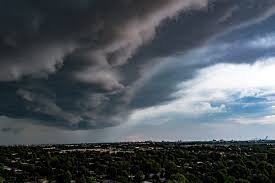
Severe Weather Alert: Tornado Risks Loom Over Southern Quebec
Residents across Southern Quebec are on high alert as Environment Canada has issued urgent warnings regarding violent thunderstorms and the potential for tornadoes. The weather system, which spans from the Ontario border to Acton Vale in Montérégie, is expected to bring volatile conditions that could impact thousands of people.
What the Forecast Says
According to meteorologists, the atmospheric conditions are prime for the development of severe storms. The forecast indicates a “moderate” impact level, but confidence in these predictions remains “high.” The most affected regions include:
- n
- The Outaouais region
- Basses-Laurentides
- The Greater Montreal area
- Montérégie (stretching towards Drummondville)
The “weather cocktail” is characterized by a clash of air masses, creating turbulence fueled by lingering heat and humidity. This instability is a recipe for localized storms that can shift rapidly across the province.
Potential Impacts and Risks
Environment Canada warns that these storms are not just about rain. The risks associated with this system are significant:
- Violent Winds: Gusts could reach up to 90 km/h, capable of damaging roofs, fences, and soft-sided shelters.
- Torrential Rain: Some sectors may see up to 50 mm of precipitation in a very short window, increasing the risk of flash flooding.
- Infrastructure: Power outages are highly possible due to falling tree branches and wind damage.
- Travel Dangers: Driving visibility on highways may be severely reduced, and nautical activities are deemed dangerous due to sudden, violent gusts on open water.
The Broader Context: Tornadoes in Quebec
While tornadoes may seem rare, data from the Northern Tornadoes Project shows a concerning trend. Since 2017, Quebec has averaged about 23 confirmed tornadoes per year. In 2026 alone, six tornadoes have already been recorded in the province, including a recent event in Repentigny on August 2nd.
A Global Climate Trend
These extreme weather events are not isolated. The National Oceanic and Atmospheric Administration (NOAA) recently announced that July 2026 was the hottest month ever recorded in the United States. This global warming trend, fueled by climate change, is increasing the frequency and intensity of severe weather patterns across North America and Europe.



