
Stay Alert: Navigating South Korea’s Volatile Summer Weather
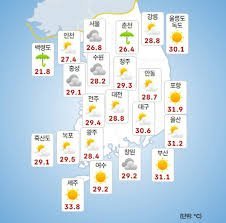
If you are planning your activities for the coming days in South Korea, you’ll need to keep a close eye on the sky. The current meteorological situation is a complex mix of heavy rainfall and extreme heat, creating a challenging environment for residents and travellers alike. From torrential downpours in the north to sweltering temperatures in the south, here is everything you need to know about the weather forecast.
⚠️ Immediate Weather Warnings: Heavy Rain & Flash Floods
As of Thursday, July 23, heavy rain advisories are in full effect. Northern inland Gangwon province is experiencing intense precipitation, with rainfall reaching approximately 20mm per hour. While other central regions are seeing lighter rain or intermittent drizzle, the risks remain high.
The World Meteorological Organization (WMO) often highlights how climate volatility can lead to such sudden bursts of heavy rain. In Korea, specific caution is advised for Incheon, Northern Gyeonggi, and Northern Gangwon, where rainfall could spike to 20-30mm per hour, accompanied by thunder, lightning, and strong gusts of wind.
Safety Tips for Heavy Rain:
- Avoid Waterways: Stay away from valleys, streams, and riverbanks, as water levels can rise abruptly.
- Urban Caution: Avoid underground passages and low-lying areas prone to flooding.
- Road Safety: Be mindful of reduced visibility and slippery roads. Avoid driving through flooded areas to prevent engine failure.
- Infrastructure: Be alert for potential landslides, falling rocks, or collapsing retaining walls in mountainous regions.
📅 Tomorrow’s Weather Forecast: What to Expect (July 24)
If you are wondering about tomorrow’s weather, prepare for a continuation of the rainy trend in the north and humid heat in the south.
| Region | Expected Forecast (July 24) | Estimated Rainfall |
|---|---|---|
| Seoul, Incheon, Gyeonggi | Rainy | 20 – 60mm |
| Gangwon Inland/Mountains | Rainy | 20 – 60mm |
| Chungcheong & Southern Regions | Passing Showers (12:00 – 21:00) | 5 – 40mm |
🌡️ The Heatwave Crisis: Tropical Nights and High Humidity
Beyond the rain, a severe heatwave is gripping the peninsula. With maximum perceived temperatures reaching 31°C to 35°C, heatwave warnings have been issued for Gangwon, Chungcheong, and the southern provinces, including Jeju Island.
Furthermore, many regions are experiencing “Tropical Nights” (where the minimum overnight temperature stays above 25°C), which can lead to exhaustion and sleep deprivation.
How to Protect Your Health:
- Hydration: Drink plenty of water, even if you don’t feel thirsty.
- Limit Outdoor Activity: Avoid strenuous activity during peak sunlight hours (12:00 – 15:00).
- Vulnerable Groups: Seniors, children, and those with chronic illnesses should remain in cool, ventilated environments.
- Indoor Care: Use air conditioning or fans to maintain a comfortable indoor temperature and avoid caffeine or alcohol before bed.
🔍 Deep Dive: Understanding the “Jangma” (Monsoon) Season
The current weather patterns are part of the Jangma, East Asia’s unique summer monsoon system. Often referred to as the “fifth season,” Jangma occurs when a stationary front brings prolonged rainfall to the region.
Regarding the 2026 monsoon outlook, meteorological data suggests a trend of shifting start and end dates. While traditionally Jangma begins in mid-to-late June, recent years have seen “delayed monsoons” due to the expansion of the North Pacific High. Experts warn against “fake news” on social media regarding fixed dates for the monsoon’s end, as these patterns are scientifically volatile and depend on real-time pressure systems.
For the most accurate, real-time updates, it is highly recommended to check the official Korea Meteorological Administration (KMA) website.



