
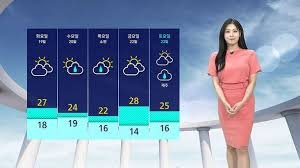
Tomorrow’s Weather: How to Get the Most Accurate Forecast for Your Day
Whether you are planning an outdoor wedding, a critical business commute, or simply deciding what to wear, knowing tomorrow’s weather is essential for a stress-free day. While most of us rely on a quick glance at our smartphones, understanding how to interpret forecasts can make a significant difference in your planning.
Why Checking the Forecast Matters
More than just knowing if it will rain or shine, staying updated on the weather helps you manage your time and safety. Unexpected weather shifts can lead to traffic delays, health risks, or ruined event plans. By focusing on the most reliable data, you can pivot your plans before the first drop of rain falls.
The Best Tools for Accurate Weather Predictions
Not all weather apps are created equal. To get the most precise outlook for tomorrow, it is recommended to use a combination of global data and local observations. Here are the most trusted sources:
- n
- National Weather Service (NWS): For those in the US, the National Weather Service provides the gold standard for official government alerts and forecasts.
- AccuWeather: Known for its “RealFeel” technology, which tells you how the temperature will actually feel on your skin.
- The Weather Channel: Great for hyper-local, minute-by-minute precipitation forecasts.
- Windy.com: An excellent visual tool for those who want to see wind patterns and pressure systems in real-time.
Pro Tips for Planning Based on the Weather
To truly master your daily schedule, don’t just look at the icon; look at the details:
1. Check the Probability of Precipitation (PoP)
A 30% chance of rain doesn’t always mean it will rain for 30% of the day. It often means there is a 30% chance that any given point in the area will receive rain. Always check the timing of the rain to see if it clashes with your commute.
2. Monitor the Wind Chill and Heat Index
The raw temperature is often misleading. A 40°F day with high winds can feel like freezing, while 80°F with high humidity can feel oppressive. Always check the “feels like” temperature to choose your attire.
3. Look for Weather Alerts
Severe weather warnings (watches vs. warnings) are critical. A watch means conditions are favorable for severe weather; a warning means it is happening now. Always prioritize these alerts over general forecasts.
Conclusion
While we can’t control the elements, we can certainly control how prepared we are. By utilizing high-authority sources and understanding the nuances of meteorological data, you can ensure that no matter what tomorrow’s weather brings, you’ll be ready for it.



