
Tokyo Earthquake Today: Magnitude 5.9 Shakes Kanto Region and Tokyo
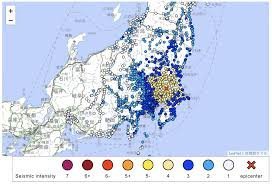
Residents across Tokyo and the eastern Kanto region experienced a sudden jolt early Sunday morning. At approximately 2 a.m., a magnitude 5.9 earthquake struck, with its epicenter located in the southern Ibaraki Prefecture at a depth of 70 kilometres. While the tremor caused widespread alarm, authorities have confirmed there is no threat of a tsunami.
Seismic Intensity and Local Impact
The earthquake’s strength varied across the region, measured by Japan’s unique shindo seismic scale. In Tokyo’s Adachi Ward, as well as parts of Ibaraki, Saitama, and Chiba prefectures, the shaking reached an intensity of lower 5. According to the Japan Meteorological Agency (JMA), a lower 5 rating is significant enough to cause unsecured objects to fall from shelves and can make it difficult for people to maintain their balance.
Other areas, including Tochigi, Gunma, Kanagawa, and various districts of Tokyo, recorded a level 4 shaking. Furthermore, “long-period ground motion”—a slow, prolonged sway that specifically affects high-rise buildings—was observed in:
- n
- Kawaguchi City (Saitama Prefecture)
- Urayasu City (Chiba Prefecture)
- Koto and Edogawa wards (Tokyo)
Casualties and Infrastructure Damage
Immediate reports indicate that the impact was relatively contained, though not without incident. As of 3 a.m., the city of Kawasaki reported two injuries. In Tokyo’s Koto Ward, a ruptured water pipe was discovered in the Kiyosumi area, although officials are still investigating whether the break was directly caused by the seismic activity.
Transportation was also momentarily affected. JR East initiated emergency checks on its rail infrastructure to ensure the safety of the network before deciding whether the first morning trains could operate on their usual schedules.
Nuclear Power Plant Safety Status
Given the proximity to energy infrastructure, the Japan Atomic Power Company closely monitored the Tokai and Tokai No. 2 nuclear power plants in Ibaraki Prefecture. The company confirmed that the shaking reached an intensity of 3 at these sites. Importantly, no abnormalities were found at the Tokai No. 2 plant, and continuous checks remain underway at the Tokai plant, which is currently undergoing decommissioning.
Official Government Response
Prime Minister Sanae Takaichi acted swiftly, establishing a liaison office at the Prime Minister’s Office Crisis Management Centre. Taking to social media via X, the Prime Minister emphasized the government’s commitment to providing timely and accurate information to the public.
“To those in the areas where the shaking was strong, I ask that you continue to remain vigilant for the possibility of another earthquake of similar magnitude,” warned Prime Minister Takaichi.
Staying Safe: What to Do After an Earthquake
For those living in or visiting Japan, staying informed is key. Seismic events are common in the region, and knowing how to react can save lives. For real-time global seismic data, you can visit the USGS (United States Geological Survey).
Quick Safety Tips:
- n
- Drop, Cover, and Hold On: Protect your head and neck under sturdy furniture.
- Stay Away from Glass: Move away from windows and mirrors that could shatter.
- Check for Gas Leaks: If you smell gas, shut off the main valve and evacuate immediately.
- Follow Official Instructions: Rely on JMA alerts and local government broadcasts for evacuation orders.



