
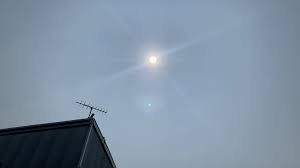
Thunder Bay Weather: The Impact of Record-Breaking Wildfires on Regional Air Quality
Residents across Northern Ontario and the Prairies are keeping a close eye on the Thunder Bay weather and atmospheric conditions as Canada grapples with one of the most intense wildfire seasons in its history. With extreme heat and record-breaking dry spells, the environment has become a tinderbox, leading to hazardous air quality alerts that stretch across provincial borders.
The Current Wildfire Crisis in Canada
The scale of the current environmental crisis is staggering. Across the country, nearly 1,000 wildfires are active, with over 200 classified as out of control. These blazes are not just local issues; they are creating massive plumes of smoke that migrate, significantly altering the Thunder Bay weather and air quality indices.
In neighboring Manitoba, the situation has reached critical levels. The Environment and Climate Change Canada (ECCC) has issued urgent warnings, noting that smoke is creating hazardous conditions in several northern communities. The impact is so severe that remote areas, such as the O-Pipon-Na-Piwin Cree Nation, have faced complete evacuations to ensure resident safety.
How This Affects Your Health and Visibility
When monitoring Thunder Bay weather, it is no longer just about rain or sunshine; air quality has become a primary concern. Wildfire smoke contains fine particulate matter that can penetrate deep into the lungs, posing a risk to everyone, but especially to vulnerable populations.
Public health officials recommend the following precautions:
- n
- Limit Outdoor Activity: Reduce the time spent outdoors during peak smoke episodes.
- Monitor Air Quality Indices: Keep a close watch on local AQHI (Air Quality Health Index) readings.
- Stay Informed: Follow evacuation orders and emergency alerts promptly.
- Protect Vulnerable Groups: Ensure children, the elderly, and those with respiratory issues have access to clean, filtered air.
n
n
n
n
A Season of Extremes
The current climate trajectory is alarming. Experts attribute these conditions to a combination of extreme heat and prolonged drought. This “perfect storm” of weather patterns has turned the summer into a battle against nature, where visibility is reduced and the landscape is altered by fire.
While the focus often remains on the immediate flames, the long-term effect on regional weather patterns—including those affecting Thunder Bay—highlights the urgent need for climate resilience and updated emergency management strategies.
For the latest real-time updates on smoke movement and atmospheric conditions, we recommend checking the Government of Canada Weather portal to stay safe and prepared.



