
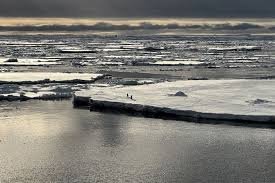
A Turning Point for the Frozen South: The Crisis of Antarctic Sea Ice
For decades, the vast wilderness of Antarctica seemed like a fortress of ice, largely insulated from the rapid melting witnessed in the Arctic. However, the narrative shifted dramatically in 2015. Since then, the antarctic sea ice fringing the continent has not only stopped expanding but has entered a steep and worrying decline.
Recent data reveals a startling trend. In 2022 and 2023, sea ice reached historic lows, with 2023 seeing a deficit of ice larger than the entire landmass of Greenland compared to historical averages. While recent seasons have shown slight fluctuations, the overall trajectory remains one of the lowest in nearly fifty years of record-keeping.
The ‘Triple Whammy’: What is Driving the Melt?
Scientists have recently uncovered that the collapse of antarctic sea ice isn’t caused by a single factor, but by a cascading “triple whammy” of climate chaos. According to research published in Science Advances, the process unfolded in three devastating phases:
- The Wind Shift: Decades ago, westerly winds around the continent intensified. This shift was driven by a combination of the ozone layer hole and the accumulation of greenhouse gases from fossil fuel combustion.
- The Heat Surge: Initially, these winds cooled the surface. However, they eventually began dragging warm, salty water from the deep ocean up to the surface. This heat acted like a blowtorch, melting the ice from below.
- The Feedback Loop: By 2018, a vicious cycle took hold. Less ice meant the ocean surface remained warmer and saltier, which in turn prevented new ice from forming during the winter months.
Regional Differences: East vs. West
The melt isn’t uniform across the continent. In East Antarctica, the primary driver is the ascent of heat from the deep ocean. Conversely, in West Antarctica, the atmosphere plays a more dominant role, where warm air and cloud cover trap heat near the surface, accelerating the disappearance of the ice.
Why This Matters: The Global Ripple Effect
The disappearance of antarctic sea ice is far more than a loss of scenery; it is a systemic failure with global consequences:
- Vulnerable Glaciers: Sea ice acts as a buffer. Without it, coastal ice sheets and glaciers are exposed to warm ocean waves, making them prone to breaking and contributing to sea-level rise.
- The Albedo Effect: Ice acts as a giant mirror, reflecting solar energy back into space. Darker, open water absorbs this heat, further warming the planet—a process known as positive feedback.
- Ocean Current Destabilization: The loss of ice could disrupt currents that store carbon and heat, potentially turning the ocean from a climate stabilizer into a driver of global warming.
Is There a Way Back?
Experts are cautious. While understanding these drivers allows for better forecasting, many scientists, including those from the NASA Climate division, suggest that a full recovery of the sea ice is unlikely in the current climate trajectory.
If this low-ice state persists beyond 2030, we may witness a fundamental transition in the Earth’s climate system. The message is clear: the fate of the Antarctic is inextricably linked to our own.



