
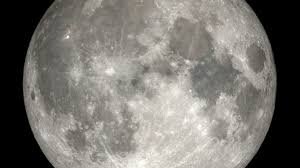
Experience the Magic of the Strawberry Moon
As evening falls on Monday, cast your eyes toward the southeastern sky. June’s full moon is arriving, bringing with it a blend of astronomical wonder and rich cultural history. While the Moon officially reaches its full phase at 7:56 p.m. on June 29, it will appear brilliant and full throughout the entire night, offering a perfect opportunity for stargazers across Canada and beyond.
Why is it Called the “Strawberry Moon”?
Despite its evocative name, don’t expect to see a bright pink or red orb in the sky. The term Strawberry Moon is rooted in the traditions of the Algonquian-speaking peoples of the northeastern United States and eastern Canada. For these Indigenous communities, late June signaled the brief, precious window when wild strawberries ripened, making the full moon a celestial reminder that it was time for the annual harvest.
Over time, these seasonal markers were popularized by the Old Farmers Almanac, eventually becoming the widely recognized names we use today. However, the lunar calendar was never uniform; different Indigenous nations named the June moon based on their own environmental rhythms:
- n
- Cherokee: Known as the Green Corn Moon, marking the establishment of corn fields.
- Western Abenaki: Referred to as the Hoer Moon, reflecting the seasonal work of tending crops.
- Haida: Called the Berries Ripen Moon.
- Cree: Recognized as the Egg Laying Moon or Hatching Moon, celebrating the nesting season for birds.
The Science Behind the Glow: Will it Actually Look Red?
While the moon isn’t naturally strawberry-colored, you might catch a glimpse of yellow, orange, or even a subtle pinkish hue if you observe it exactly as it rises above the horizon. This stunning visual effect is caused by a phenomenon known as Rayleigh scattering.
As moonlight passes through a thicker layer of Earth’s atmosphere near the horizon, tiny particulates and water molecules scatter the shorter blue wavelengths of light. This allows the longer red and orange wavelengths to reach our eyes, creating that warm, atmospheric glow. You can learn more about these optical phenomena through resources like NASA Science.
Where to Look and What to Expect
If you notice the moon sitting lower in the sky than it did a few months ago, you aren’t imagining it. Because we are near the June solstice, the Sun follows its highest path across the sky. Since the full moon always appears opposite the Sun, it traces one of its lowest paths of the year across the nighttime horizon.
What’s Next for Lunar Lovers?
If you miss the Strawberry Moon, don’t worry—the celestial show continues. Mark your calendars for July 29, when the Buck Moon arrives. Named for the time of year when male white-tailed deer grow their new antlers, it is another beautiful example of how our ancestors used the heavens to track the changing seasons of the earth.



