
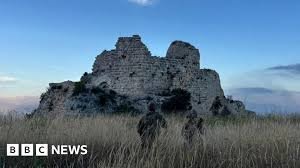
The Strategic Fall of Beaufort Castle: A Turning Point in the Israel-Hezbollah Conflict
In a move that signals a dramatic escalation in the region, the Israel Defense Forces (IDF) have officially captured Beaufort Castle in Lebanon. This historic fortress, perched high on a ridge overlooking the Litani River, is not merely a relic of the past but a critical strategic prize in the ongoing conflict between Israel and Hezbollah.
Why Beaufort Castle is Strategically Vital
Built by the Crusaders approximately 900 years ago, Beaufort Castle has long been coveted for its unparalleled vantage point. Its location provides a commanding view of the surrounding terrain, making it an ideal observation and control point for military operations.
For the IDF, reclaiming this site is more than a tactical win; it is a symbolic victory. Israeli Prime Minister Benjamin Netanyahu described the capture as a “dramatic stage,” suggesting that the military has “broken the barrier of fear” by taking the initiative across multiple fronts, including Syria, Gaza, and Lebanon.
Expanding Ground Operations and Evacuation Warnings
The seizure of the castle coincides with a wider expansion of Israeli ground operations. The IDF has issued urgent warnings for residents south of the Zahrani River to evacuate immediately. Military spokespersons have warned that anyone remaining near Hezbollah facilities or combat assets is placing their life at significant risk.
Key Developments in the Southern Front:
- Deepening Incursion: Israeli forces are moving beyond the original demarcation line of the Litani River, pushing deeper into Lebanese territory.
- Increased Casualties: The Lebanese Health Ministry reports significant damage to infrastructure, including an airstrike near Hiram Hospital in Tyre, which left 13 staff members injured.
- Hezbollah’s Response: The group continues to utilize high-tech weaponry, including fibre-optic drones, to target Israeli troops and civilian communities across the border.
International Outcry and Diplomatic Efforts
The escalating violence has drawn sharp criticism from the international community. France, maintaining deep historical ties with Lebanon, has called for an emergency meeting of the United Nations Security Council. French Foreign Minister Jean-Noël Barrot characterized the continued military occupation of Lebanese territory as a “major mistake.”
While Lebanese Prime Minister Nawaf Salam has accused Israel of pursuing a “scorched-earth policy,” there is still a glimmer of diplomatic hope. A fourth round of negotiations is scheduled to take place in Washington this week. However, a significant hurdle remains: Hezbollah is not directly involved in these governmental talks, leaving the Lebanese army and government in a precarious position as bystanders to the clash.
The Human Cost of a Century-Old Rivalry
Behind the strategic maneuvers lies a devastating human toll. Since the conflict intensified in early March, Lebanese authorities report over 3,300 deaths, while Israel has confirmed 25 military fatalities. As schools close and communities flee, the struggle for control over landmarks like Beaufort Castle in Lebanon continues to reshape the geopolitical landscape of the Middle East.
Stay tuned for further updates on the diplomatic negotiations in Washington and the evolving situation on the ground.



