
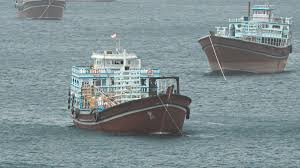
Tensions Rise in the Strait of Hormuz: A Global Energy Crossroads
The Strait of Hormuz has long been one of the world’s most volatile maritime chokepoints. Recently, the situation has escalated as the Islamic Revolutionary Guard Corps (IRGC) claims continued dominance over the passage of oil tankers, even as the United States maintains a strict blockade on Iranian ports. This high-stakes game of geopolitical chess is not just a regional conflict; it is a trigger for global economic instability.
The IRGC and the Battle for Control
According to recent reports from Iran’s state-affiliated news agency, ISNA, the IRGC Navy asserts that all maritime traffic through the narrow waterway is now being coordinated under its direct permission. In the last 24 hours alone, the IRGC claims to have managed the transit of 26 vessels. This move comes at a time when diplomatic negotiations between Washington and Tehran remain stalled, leaving the fate of international shipping in a state of uncertainty.
The Blockade War: Energy and Revenue
The current crisis is the result of a reciprocal cycle of economic warfare. Following the outbreak of hostilities on February 28, Tehran implemented a blockade of the waterway—through which roughly 20% of global energy exports traditionally flow. In response, the Trump administration imposed a severe blockade on Iranian ports, aiming to choke off oil exports, which serve as the primary revenue stream for the Iranian government.
This standoff has created a precarious environment for oil tankers in the Strait of Hormuz, driving anxiety through global energy markets and risking a sharp spike in fuel prices worldwide.
Beyond Oil: The Looming Global Food Crisis
While the focus is often on energy, the ripple effects are reaching the dinner tables of millions. The Food and Agriculture Organization of the United Nations (FAO) has issued a dire warning: the disruption in the Strait could trigger a systemic agrifood shock within the next 6 to 12 months.
The FAO explains that the crisis unfolds in a devastating chain reaction:
- Energy Shortages: Initial disruption of fuel supplies.
- Agricultural Inputs: Shortages in fertilizers and seeds.
- Production Drop: Lower crop yields globally.
- Price Spikes: Commodity price increases leading to rampant food inflation.
Diplomacy vs. Military Action
Despite mentions of “progress” in negotiations from the U.S. administration, the rhetoric remains aggressive. The threat of renewed military action looms large, while Iran’s Foreign Minister, Abbas Araghchi, has warned that a return to war would bring “many more surprises,” including the potential to extend the conflict beyond the immediate region.
Will Todman, a senior fellow at the Center for Strategic and International Studies (CSIS), suggests that both sides are currently trapped in a logic of leverage. Each side believes that by extending the blockade, they increase the economic suffering of their opponent, thereby gaining a stronger hand at the negotiating table.
Conclusion: A World on Edge
The struggle over the Strait of Hormuz oil tankers is more than a territorial dispute; it is a demonstration of how localized conflicts can destabilize global food and energy security. As the world watches, the balance between diplomatic resolution and military escalation remains razor-thin.



